Joe Fried – How to Win Over Hostile Jurors (Rewind)
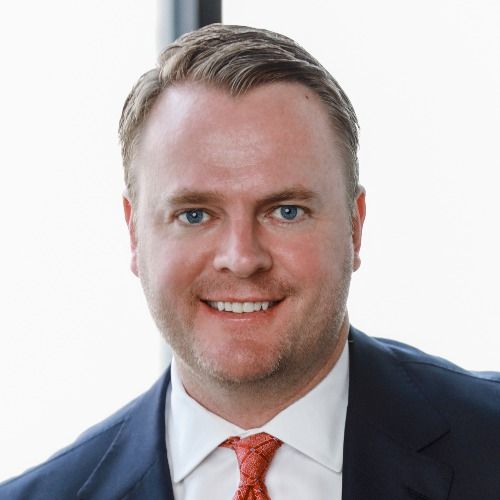
Some of the toughest jurors aren't the ones to strike; they're the ones to win over. Joe Fried, an Atlanta trial lawyer with Fried Goldberg who has tried cases in 43 states, builds his approach around what jurors share rather than what divides them. He joins hosts Harry Plotkin and Dan Kramer to unpack what turns skepticism into trust: modeling "shockingly vulnerable" honesty, framing a case around a juror's oath, and running a voir dire that surfaces the universal values a case is really about. Joe also explains why he now drops his exact damages number in his opening, and why less is more when arguing them. Tune in for practical takeaway on inclusive jury selection.
Learn More and Connect
☑️ Fried Goldberg | LinkedIn | Facebook | YouTube | Instagram | X
☑️ Harry Plotkin | LinkedIn | Facebook | Instagram
☑️ Dan Kramer | LinkedIn
☑️ Kramer Trial Lawyers on LinkedIn | Facebook | YouTube | Instagram
☑️ Subscribe: Apple Podcasts | Spotify | YouTube
Produced and Powered by LawPods
Transcript
Ready to take your verdict and jury selection to the next level? Jury consultant Harry Plotkin and trial lawyer Dan Kramer are your ticket to tipping the scales before trial begins. You're not just picking a jury, you're picking justice, produced and powered by LawPods.
(:Hey there. Before we jump in, a quick word. Every so often we like to reach back into the archive and reshare an episode that really landed with listeners. And this is one of those episodes. If you've heard it before, you'll probably catch something new the second time around. And if it's new to you, welcome. You're starting with one of the good ones.
Dan Kramer (:Welcome back to another episode of Picking Justice. Harry, I got to say I am very excited. I've been looking forward to this episode in particular because not only do we have the godfather of trucking cases who tries cases throughout the country, who sees a lot of different juries in a lot of different jurisdictions, handles different judges who had different requirements. He's gotten so many eight-figure verdicts. I'm looking at his website, too many to even list here, countless seven figure verdicts. A great guy. He was one of my teachers at the Gerry Spence Trial Lawyers College. But most importantly, he's our first guest that is a fellow Atlanta Braves fan. From Atlanta, Georgia, Joe Fried. Joe, how you doing? Go Braves, man.
Joe Fried (:I'm doing great. Thanks for having me on here. I'm really excited to have a talk with you guys because you guys are doing this right and I appreciate why you're doing this. It's been needed and it's a great topic and there's so much to learn. So I look forward to giving whatever I can give, but also learning what I can learn today and through the rest of the podcast.
Dan Kramer (:Yeah. I mean, we were talking earlier. I mean, one of the best things about hearing from you, I mean, we've talked to a lot of great Southern California trial lawyers who try cases throughout California, some go out of state, but you're kind of everywhere, right? I mean, aren't you trying cases basically in the whole country now? Yeah.
Joe Fried (:I'm going all over the place. I have to count the states that I've actually tried cases in, but I've handled cases in 43 states. So I've got an interesting perspective when it comes to that. And I've learned a lot because from going different parts of the country, not only are there differences in juries, but there's huge differences as you've already mentioned with every judge has their own proclivities. And of course, every jurisdiction has its own proclivities and rules. And you have to figure out how to best go about this thing called jury selection, which is just an underappreciated art, I think, frankly.
Dan Kramer (:Yeah. Well, I think it's, again, this is why we're doing this podcast. I think it is the hardest thing to learn. It's always evolving, right? I
Joe Fried (:Think it's a way of life, Dan. I mean, I really do. I think jury selection is life. I mean, I know that sounds crazy. If I was a golf pro, I'd say golf is life. I'm a trial lawyer, so jury selection is life, but it really is. I mean, it has to do with the way you live your life.
Dan Kramer (:Yeah, absolutely. One thing that I just touch on is that you said juries are different. I mean, you see a lot of different juries throughout the country. I mean, I've only tried cases in California, different parts of California. And of course, in California, you think Orange County is more conservative or some parts of the Bay Area surprisingly may be more conservative. You get way north or Fresno, who knows? But LA County, pretty liberal and all that stuff. And I imagine throughout the country it is, but are you finding that the range of jurors, that people in general are really that different?
Joe Fried (:No.
Dan Kramer (:Is it really that — yeah.
Joe Fried (:So look, I mean, people within any community, you're going to find, I think, a broad range of people with different ideas, whatever else. But the magic of doing what we do is to build a case around the things that make us the same, not the things that make us different. So actually that's what jury selection is. You've already hit on kind of my whole philosophy of jury selection is to say, how can we coexist as not a homogenous group? We can be totally different in our politics, in our thought processes and all these other things, but we can come together on the things that are necessary to do justice in this case. And those things I think are universally the same everywhere. I mean, you can't go to any place in the country and if you query in the right way and you start asking people, what are the things that are most important to you in your life, you're going to hear family everywhere.
(:You're going to hear freedom everywhere. You're going to hear independence everywhere. You're going to hear self-determination in some form everywhere. It may come out as a pickup truck in one part of the country and a sailboat in another part of the country, but what's represented by that sailboat and what's represented by that pickup truck are really the same human deep level kind of a thing. So to me, that's what jury selection is about, is reminding people that we're really the same on the things that matter in this case and honoring all the differences, making room for the differences so that we can focus on the things that are the same. Because
Dan Kramer (:You're like, there's no way you're ever going to get an eight-figure verdict in South Georgia, for example. And I remember you and I did a case analysis or whatever we did on, I think you represented a Muslim family, right? Who's the dad was seriously injured, he was a quadriplegic or something
Joe Fried (:Like that. Brain
Dan Kramer (:Injury. Brain injury. Sorry, brain injury case. Yeah, really tragic. But I love the way you presented that. Even your own kind of, you see this family for the first time and you had some judgment in you. I'd just love to hear kind of how you approached that because you got an amazing result. It was in Southern Georgia, wasn't it?
Joe Fried (:It was in Atlanta. It was part of Atlanta, but it was in Newt Gingrich's home county. That's
Dan Kramer (:What it was. Right,
Joe Fried (:Right.
(:The short version of it is the perfect example of what we're talking about is what are you making the case about and making room for. But what you were talking about is sort of a different thing than jury selection in this case is to something that I like to do is I like to model for the jurors. It's all about the juror, whether we're talking about jury selection or we're talking about closing argument, we're talking about any building the case, it should be about building the case for jurors, right? I mean, we can't forget that we're not building the case for. You're not building the case for just anybody, any audience in the world. It becomes very specific to what the jury is or you're going to try the case to. And so you have to make it okay in jury selection also. I mean, part of even if you go to Nick Rowley's brutal honesty thing, or you go to a number of other people's sort of signature beginnings of jury selection, what it's all about is making it safe to say what's really on your mind as much as is possible.
(:So the quickest way to do that is to model it in a vulnerable way. And that's also true, by the way, in closing argument, when you're concerned about them going back and closing and having a discussion about some X thing which is bad, or you think is bad, you model it by saying something like I'm not the strongest guy and if I were on the jury, I might have a tendency to start letting my mind drift to X. While I know that that's human, I also know that that's not a proper thing to consider in a case like this if I'm a juror. I would need my brothers and sisters on the jury to come beside me and hopefully gently, but firmly remind me that that's human. It's perfectly human, but that's not appropriate for here because I don't want to wake up two weeks from now and realize that I've reached the wrong verdict for the wrong reason.
(:I want to know that I reached the right verdict for the right reason. I don't want these things that are not supposed to be a part of it to interfere with me. So I'm putting it on me, but I'm doing it in a way so that the jurors are then empowered to say, "Well, he's just like I am." I call it kind of normalizing the behavior, normalizing the thought process might be something as simple as no amount of money is going to bring Johnny back or it might be something much deeper than that. Something like in that case involving the Muslim family, I owned to the jury, I said, "I fly on airplanes every week and if I got on an airplane and I saw my client stand up at the wrong time in an airplane, I can't help my eyes from watching and I can't help my old law enforcement self from thinking certain things and I can't stop my body from positioning myself for the take down if necessary.
(:I don't like what that really says about me, but it is my truth and I'd be lying to myself if I didn't say it. Now I feel so exposed because I'm a professional in this community and I just admitted that I'm really kind of racist and I'm not sure what to do with that, but that's part of my truth and so I'm going to own it."
Dan Kramer (:So you say that whole thing to a jury?
Joe Fried (:In that case, in the closing argument, I said, "I can't help it."
Dan Kramer (:Wow.
Joe Fried (:I told him I was upset with them about jury selection because none of them opened up about these things in jury selection. I didn't do jury selection in that case, my law partner did. Everybody sat there like this in jury selection when asked questions like, "Is anybody concerned about money leaving the United States because they're Muslim? Anybody here worry about Al Qaeda cells?" I mean, nobody opened up. I told them in closing argument I was upset by him and I think that what I was trained is that when I get upset to first look inside and when I looked inside, what I realized when I looked inside is I'm not sure that I would have had the courage to say anything, but here's my truth and that's when I said I can't stop myself from. And so I think I would have sat there.
Dan Kramer (:I mean, that is such a powerful thing and a very, very hard thing. I don't know if I would have the courage at this point to do what you did in closing argument. I mean, that really does take a lot of courage, but it's also very liberate. You're
Joe Fried (:Either a hero or a dumb ass, Dan, depending on how the outcome is.
Dan Kramer (:But let me ask you, I mean, in jury selection, would you do it that way? I mean, would you say that in jury selection? So
Joe Fried (:Another case, the one that I really learned about this idea about was a case that I tried where I was in sort of ICE capital of Georgia at the time and I represented two Hispanic people. One was documented, one was not documented. And they literally told me, I came in the case to try it and they said, "We're just not paying the money because we just don't think anybody in this community is going to pay these Hispanic people any money." I was like, "What? Are you actually going to say that out loud to me?" I mean, yeah, they were brazen about it. Jury selection started out in that case with the first juror. I mean, I started out by saying, "You see that my clients have these things in their ears. There's an interpreter back here who's repeating everything that is said here in a way so that they can hear it and understand it.
(:They speak a little bit of English, but not enough for a courtroom. What does that make you think?" First person raised their hand and says, "Makes me think they're illegal. Are they illegal?" I said, "Well, Judge, can I answer that question?" "No, Mr. Fried, you can't answer that question." I said, "Well, I can't answer that question." I said, "What does that make you feel?" And he said, "It makes me know they're illegal." I said, "Okay, well, let's say they're illegal then. What then?" He goes, "Well, I'm not giving them any money." Then the guy next to him was nodding along. I said, "I see, sir, you're nodding along." He said, "Yeah, I quote, damn Mexican, ran over my brother and didn't have any insurance." And a Korean lady on the third row raised her hand and said, "I learned how to speak English, and if you can learn from Korean."
(:And that's about when the judge pulled me up and said, "Are you trying to bust the panel?" I said, "No, Judge, at least these people are talking to me." What I learned in that case, and it's become one of the most powerful features of my jury selection, is how powerful the oath is. I learned that people who have very strong convictions about some of the things that we're talking about, and some people might call that racism, some people might not, I'm not making a judgment about it because frankly, making a judgment about it is not helpful to us as trial lawyers. I live in the world that is, and so as a trial lawyer, I just try to be an observer of that world to some degree, and then how do I work within that world? And what I've learned through some pretty broad-based research is that people have strong convictions about things like we're talking about have just as strong, in fact, stronger convictions about their oath that they take.
(:So in other words, when I was able to come back at the end in jury selection in that case, look at the first juror who spoke to me and said, "Okay, so look, if you're going to be on this jury, you're going to have to take an oath and the oath is going to. It's perfectly okay to think the things that you're thinking. I'm not here to change anything about. I have strong feelings, too, about things, but you're going to have to take an oath to set those things aside in rendering your verdict in this case, or else you're going to violate your oath. Sir, are you going to violate your oath?" And he says, "Hell no, I'm not going to violate." I said, "How can we be so sure?" I'm not violating my oath, especially not for those people. So think what's happening here.
(:I mean, trial law is a game of psychology at some level, right? So what's the only way that he can prove to himself and the world that he didn't violate his oath?
Dan Kramer (:Harry, what are your thoughts on the oath move?
Harry Plotkin (:Well, I love how, and one of the things I try to incorporate, especially when you're trying to get jurors to feel comfortable admitting things that you and I know are a bias, and Joe, you know are biased, but you don't want to tell the jurors that they're biased, is the aspect of, "Hey, we're humans." Some of my voir dire, if I'm trying to voir dire them on a particular law that some of them probably won't agree with, I don't like to say, "Here's a law, you got to follow it. Who can't follow that law?" And you're not going to get too many people raising their hand. But when you tell them the law and the judge is going to say, "You got to do this," but we're human beings and it wouldn't be fair to try to force a human to enforce a law they don't agree with in the first place.
(:I think reframing all those things around that Joe's describing around. The problem is not with you as a juror, you're not some defective juror who has defective values or anything. It's like we're human beings and we have our beliefs and there's nothing wrong with that. I think that's the only way you're going to get them to be honest, right? Because if you say, "Hey, here's the law, who can't follow it?" Exactly, you're going to get a lot of arms crossed because in their minds they think, "If this is what I believe and I'm fair, then I'm going to give a fair verdict." And in their minds, a fair verdict is a tiny verdict or a fair verdict is not giving any money to somebody who's a legal immigrant or whatever they feel. So I love that Joe was saying, "Here's what the law is, but here's what human beings think and normalizing it is great for them." If you can use yourself as an example, that really is great at breaking the ice because otherwise you're asking your jurors to do a lot if you're asking them to be the first person to step out there and say.
Joe Fried (:I think it takes a very special person to do it, right? I mean, so actually, Dan, the idea comes from the world that you and I met in, which is sort of the psychodrama kind of a world. I mean, what makes psychodrama so powerful? First, is that it creates a safe place, and then the next thing it does is it starts to normalize vulnerability. So you get up there and the psychodramas that you've been a part of that have been the deepest and the most meaningful are ones where early on, somebody broke the ice with something very vulnerable. I like the term shockingly vulnerable, kind of like brutally honest. To me, the world word is shockingly vulnerable. If I can get up and be shockingly vulnerable with somebody, then that sets the tone for, number one, it makes it okay to be vulnerable. And number two, it takes a lot of the stigma of being a trial lawyer and what that means to a lot of people and kind of turns it on its head because if he's willing to admit that about his case or about his situation or about himself, then he's not what I thought he might be as a lawyer.
(:So you kind of go off code pretty quickly when you start to. And it's not a game. I mean, that's really my truth. I mean, my truth is I need that. I've learned that I need the shocking vulnerability, which means I need a challenging juror and I need somebody who's going to call me out. What I used to dread, which was the juror calling me out on a personal level saying, "You're a greedy son of a bitch, you're a fucking trial lawyer." Whatever is embodied in that -
Dan Kramer (:Ambulance chaser, all the - All
Joe Fried (:The stuff. You're unfair, you're bad, you're a wart on the values of society. You make ladders longer because they need more warnings. I mean, whatever, every lawyer joke, I now need that. I need that in order to own my truth. And what used to be an effort to deflect and defend has become something that allows me to show something that's real. So if a juror challenged me and said, "You're just a greedy lawyer," the current version of me would allow myself to feel that as deeply as I could feel it and then respond from that place. And it's not a defensive place. It's the place from which that's true. So I'm responding from the place of saying, "You're right. There's a part of me that is exactly what you're accusing me of, and I've been working on it. I'm 30 years into this practice and there's still a part of me that is that.
(:I guess that's just the human part of me." Let
Harry Plotkin (:Me ask you, Joe, what do you do with a juror who tells you as a human being, "I don't feel that this or that is right, or I have an issue with who your client is, or I have an issue with big damages," or whatever it is, and they tell you, "I think I can probably set it aside." I mean, do you take them at their word? Do you keep them? I mean, obviously it's one thing with the people who say, "Nope, it's going to interfere with my job and I'm just not the right juror for this case." But what do you do with those folks who, they say they can do it, but I know when I'm in court and I'm seeing someone, I have big concerns about whether they can actually do it or not. How do you handle those people in voir dire and how do you decide whether you keep them or not?
Joe Fried (:Well, I don't know that there's an always answer, Harry. I wish I had a system that was better, but I'm going to try to have a real dialogue with the person, number one. And part of that is going to be to try to show my vulnerability and say, "I don't get a second chance at this. If we impanel the wrong juror, then I've lost before I started, right? And so is it wrong for me to be worried about you and the jury?" So how would you respond to that? How would that juror respond, Harry?
Harry Plotkin (:Most of them. Well, I mean, yeah, some will tell you, "Yeah, you're probably right," and then they give you permission to kind of push them off on that path for cause. Some will say, "I'm just one of the ones who go..." The ones who say, "No, I don't think so," but they've maybe said some things that you're like, "Those are pretty strong convictions that are kind of dead set against my client or what my case is all about." And then you got obviously a judgment call, but do they have to really convince you that they can set it aside pretty absolutely for you to keep them?
Joe Fried (:It's a great question, and I'm of the mindset, I'm looking for a reason to keep people and not a reason to strike people. I know that that's one way we could divide the world of lawyers and are you an inclusive or an exclusive person when it comes to jury selection? And so for me, I would say I would not retreat from the person. I think the biggest place that we've come into problems is we start demonstrating who we are to the jurors, to all of the jurors, because of that one juror. So whether I'm going to strike that person or not, they're not going to know I'm going to strike them. I'm going to say, "So I have a fair shot with you." And that's all I'm asking for is a fair shot. And as long as I have a fair shot with you, then I'm good with you.
(:That's the energy that I'm going to bring to the table because even if I strike the person, I think that I've got an amazing opportunity in that moment to demonstrate to the jurors that I'm not afraid of somebody having different feelings than me. I'm not afraid of somebody saying to me, as a general rule, I don't like big number verdicts. As a general rule, I don't. I mean, whatever that is, because I found that those people, a lot of times, those people have given me the most money and I'm not trying to change their mind about something. So I don't know if I'm answering the question, but I'm staying with the person. I'm not jumping to an immediate decision about them. Hopefully, if I have an opportunity, I'm going to continue to dialogue with them very honestly and show, "Hey, I'm concerned." Because what I really want at the end is I want that guy with his verdict to prove that he did what he promised me he would kind of do.
(:Same thing with the oath. When that juror says, "I'm going to follow my oath even if I have to hold my nose," are you throwing that guy off or not? I'm not. It's
Dan Kramer (:Funny, Joe. I was going to go back to that one because I feel like you almost did. By going from the guys like "these damn Mexicans" or whatever they're saying, and then you then throw the oath at them, you're almost rehabbing for the defense. You're doing literally what a judge would do to rehab that juror, right? Can you follow an oath? And I'm curious, why go there?
Joe Fried (:Because my whole strategy in that case, Dan, was. Look, I was in a tough place from a venue perspective. My whole point was, what am I making the case about? I got up then. So can we agree that. I mean, imagine you're sort of quote worse juror and they've made a commitment that they will follow their oath, even if that requires them to hold their nose to do. They will follow their oath. What if opening statement was, "Somebody here is going to try to get you to break your oath. It's either going to be my side or their side. And honestly, that's what this case is going to be about. Look for one of us trying to get you to violate your. Look for it during this case. Look for it as the evidence gets presented. Look for it." And then the closing argument is, "I told you someone was going to try to get you to violate your oath.
(:Let me show you the ways it happened." Boom, boom, boom, boom, boom. What are you going to do? What's the case about? At the end of the day, folks, this case is about a wreck, but what it's really about is, how are we as a society going to live when it comes to the way we're going to resolve our cases? They know that they're not supposed to do. They're not supposed to play on this thing. They know that they're not supposed to try to get you to violate your oath. Your verdict is going to say either keep it up, keep it going, keep doing that, or it's going to say, "Don't ever fricking do that in this county again." And it's as close to a send the message kind of a verdict as you can without hopefully violating the rules. And some people would say, "That's over the line and I'm going to leave that alone.
(:People make their own decisions."
Dan Kramer (:I've never heard anyone use the oath. Oath
Joe Fried (:Has become. It's almost every case now I'm asking you.
Dan Kramer (:You mind if I explore that a little more? First off, just for our listeners, can you describe or give an example of when you say an oath? So what is this oath that you're really getting at in jury selection that the jurors should follow or that they're going to commit to following? That
Joe Fried (:They're going to decide the case based upon the facts and the law, and they're not going to allow certain things to interfere with that. Like prejudices, like sympathy. I always use sympathy first because it's the one that everybody agrees to and it's part of the jury charge alone, right? It says we're not supposed to make decisions based on sympathy. So it's perfectly human to be. You're a human being, you're a sympathetic creature. You're going to have sympathy. It's conceivable. You can have sympathy for both people in this situation. You can have sympathy for a witness in this situation. You can have sympathy for anybody. There's nothing actually wrong with having sympathy. That's human. What would be wrong is if you allowed sympathy to cloud what you're really here to answer, which you're here for a very specific purpose. I always remind jurors, I start in jury selection, reminding them that their job is a very specific job to do in a case and we're going to keep the case defined.
(:We're going to keep their role defined to that, which is their responsibility. So now we go forward from that and they've got a very specific job to do and it doesn't include. So I can tell you, Dan, it's perfectly okay for you to think some of the things like where's the money going to come from?
Dan Kramer (:Exactly. That's what I was going to go to next. You have a 16 year old driver. I
Joe Fried (:Have a list for every case. I have a list of all the things that I would be concerned about and that I think other folks might be concerned about that are what I call my list of human things that are not supposed to be part of what a jury considers. And there's always an element in my closing where I'm talking, which means there's always some discussion about this to the degree that I can in jury selection where I get to say, so you want to reach the right verdict for the right reason. So how do you make sure you do that? Well, there's all these human things that might pop in, that might interfere, and they're perfectly human. I mean, it would be weird if it didn't happen to at least some of you on the jury. Because
Dan Kramer (:They're not robots. It's not a vacuum. They're supposed to be human beings.
Joe Fried (:But here's the thing. Do you want to wake up a week from now or even tomorrow morning after the verdict's done and you can't do anything about it and realize that you violated your oath because you allowed some of this stuff to come in? You didn't even realize you were doing it. That's what it is to be human. Do you want to realize that or would you rather have somebody come beside you if they thought that maybe you were thinking about some of these things that you're not supposed to and gently but firmly say, "I think you may be delving into that no amount of money's going to bring Johnny back thing that we were talking about. It sounds like that in what you're arguing here or telling us about here. And respectfully, that's not where we're supposed to be." I
Harry Plotkin (:Love that because that's something that I've been telling just recently, actually, in the last couple of months, I've been telling some of my clients who have cases, especially against individuals and it's not a company and you can't talk about insurance and they're worried about where the money's coming from. We hit that hard in voir dire and everything and we can talk about that another time. But what I'd like to tell them is, similar to what you're saying, in closing, get up there and say, basically, it should be a fair verdict of what you think it should be, and you need to give a verdict where you're going to have no regrets. After this case is over and you've given your verdict and you're outside talking to us in the hallway and maybe you find out more information that you weren't supposed to consider that you don't have any regrets and say, "Oh my gosh, if I had just known that," and of course when I say that, we're really talking about where's the money coming from insurance, but it should be the right verdict where you're not -
Joe Fried (:What about saying it right out? I think a lot of lawyers think, "Well, if I say it out loud, I create it in the jury." It's already fricking there. Right.
Harry Plotkin (:I mean,
Joe Fried (:So calling it out actually takes the power away in my experience from it. In
Harry Plotkin (:California, at least I think there's a fear among lawyers if you even say the word insurance is going to be a mistrial motion,
Joe Fried (:But where the money's coming from for
Harry Plotkin (:Sure.
Joe Fried (:But if you say where the money's coming from, I think you could say that anywhere. I think you could, yeah. Nowhere should you probably say the word insurance, but you can get close to it by
Harry Plotkin (:Saying,
Joe Fried (:Where's the money going to come from? Or how is this going to affect Billy Jones, this 23-year-old young man? And some people might say, "Do I want this following him around for the rest of his life? How is this going to hang over him for the rest of his life? And what's that going to be like to hang over?" I think about that, but that's not what this case is about. And so you have to now say, "I'm not going to be a juror in the ways that we need you to be in this case because I'm going to allow this." And that's the wisdom of the law. That's why the law says these aren't the things that should be considered. You're not going to hear anywhere when the judge tells you what to consider and what not to consider, you're not going to hear any place in there where the judge says, "You should consider how this is going to affect Johnny for the rest of his life." I
Dan Kramer (:Assume you always have a section where you talk about oath in jury selection. It's
Joe Fried (:Almost always because it's become part of my way that I argue cases and the way that I want jurors to be. Jury selection to some degree involves putting lenses on human beings through which they're going to see the case. And that's the beginning of the lens, right? The beginning of the lens is that. So I have found for me that the oath provides me with a lot of ways to go and sometimes the whole case, what I've told the jury about, the whole case is really about the other side's going to try to get you to violate your oath. It can be a very powerful thing. We're
Dan Kramer (:Going to take a quick break when we come back. I want to hear about how the oath and how you use it in case you have to get cause challenges, but I liked how you described it as there's kind of a dividing line on trial lawyers with some it's deselection, some it's building the tribe, inclusive jury selection, you obviously fall in that second category. If I'm a trial lawyer who falls in kind of the first category, bringing up the oath, again, I think it would really prevent me from getting cause challenges. Do you, just as a philosophy, do you get cause challenges? I do
Joe Fried (:Get cause challenges. So the goal of the cause challenge is obviously one, you're going to get the juror off, but secondly, I'm always very concerned about what's the group To me, the group dynamic is more important than a specific juror getting removed.
Dan Kramer (:Elaborate what you mean by group dynamic. I want to hear a little more what you mean. The
Joe Fried (:Group dynamic, what I mean by that is simply what's going on in the room? What am I modeling? If I have to become somebody who I don't want to show up as in order to get somebody off the jury, I'm making a conscious choice that I don't want to do that. I'll take the peremptory, assuming I'm not in Arizona or wherever, you can't do that anymore. So there's not an always rule, but I ask for cause challenges, but it's usually very apparent when we get them. I am spending more of my time trying to keep jurors than trying to push them off. I think that when you are going to push them off, the hard part, the thing that you have to do is obviously lock it in, right? Because the judge is going to come back almost everywhere that I've ever been and they ask, they try to rehabilitate the juror.
(:I think you can do a lot to counterbalance that depending on the judge, because you can quickly run afoul of a judge pretty quick where you try to tell the judge, "Don't rehabilitate my jurors," and they tend to have strong feelings about that. So I think you can say something like nothing. We've had this great discussion and you've demonstrated how you feel and you feel pretty strongly about that. Yes, yes. And there's nothing I can do to change. I've not tried to change your opinion, have I? No. And there's nothing I could do even if I did try. I could be the best lawyer in the world. I could be the judge. I try not to say that, but I could be anybody and there's nobody who's going to change that position that you have. You feel it very strongly. You felt this way for a long time and it's part of the fabric of who you are.
(:It would be unfair for somebody to suggest that you should set that aside.
Dan Kramer (:But explain to me how you're tying that into. So you have a juror that's really bad, like the example we used earlier, the one who just can't stand the illegals or
Joe Fried (:Someone - That person was the foreperson of the jury who gave their record verdict in the case. Which that's incredible. I did not strike that
Dan Kramer (:Juror. Yeah. But you have a juror who kind of gives that answer and then you'll go into the oath. But then explain to me, do you weave in the oath with jurors that you have gotten for cause?
Joe Fried (:I mean, honestly, the oath piece is the part to keep them because the case becomes, if you're using that in the way that I was in that case, the oath becomes because I'm planning on actually using the psychology of the person who would typically be saying, I'm against this, but I'm for the oath even stronger than I am against that.
Harry Plotkin (:You're kind of framing it that way like the oath and you're kind of almost asking them, right? Is your oath more important than these other feelings that you have?
Joe Fried (:That's right. I literally said, are you willing to follow your oath even if you have to hold your nose to do it? And so in that case, I'm not weaving it in. I'm probably not the best guy to talk about striking people for cause. So it's pretty apparent in my cases, I'm about rehabilitating them. And I know that that's not what the rest of the world is about and that's fine. I mean, I do things a little different. When you get to a point that you want to, or when you can, before we run out of time, I would like to talk about one concept of jury selection that I think is underappreciated or at least not thought about.
Harry Plotkin (:Well, can I ask you one more question before we move on, Joe, because I'm super curious to ask you. I just want to see if you kind of do it the way that I do it. We talk in this podcast a lot about what we've changed in our approach over the years. And I think all of us, if we're progressing, we look back five, 10, 15, 20 years on how we were doing it and we go, "What the heck were we thinking back then?" We do it totally differently now. And so one of the things I wanted to ask you is in your voir dire, when you're voir diring the jurors, do you talk first in your voir dire about some of the important values and concepts in your case, if it's a trucking case about safety or whatever your case is about before you talk about the biases?
(:Because that's what I do now. I think that if your case is about whatever it's about, you don't want to just very first thing bring up, how do you feel about Mexicans? How do you feel about Muslims? Because that's not what your case is about. So I used to do it that way. I used to say, let's first talk about all the biases that I'm worried about and then only then do we talk about the core values of the case and talk about trucking safety and driver safety or whatever it is, employment rights and things like that. What's the order of your voir dire generally?
Joe Fried (:So Harry, it depends a lot on where I am because increasingly in late years, I mean, it's just the way it's been, I've been in places where my length of time that I have to do jury selection is really, really limited. And so I'm finding that I'm jumping right in to the fear points in the case right from the beginning. I'm usually almost making an excuse for it saying like, "Folks, I don't have a lot of time to get to know you in the way that I would like to, but here's what is on my mind. We've got this situation in this case. Should I just pack my stuff and go home?" And we get right into it. If I had an unlimited amount of time, what I want to always be is intentional about the warmup that I'm creating. So I want to create something real and meaningful early for the reasons that we described, I talked about a little bit earlier about the idea of group dynamics.
(:In my experience, anytime I've ever run a group, I've run lots of groups over the years, whether it's jury selection group or it's teaching trial lawyers a group, if I can get to something that's meaningful and real early on and we have a real conversation, I pull everybody in and we have an amazing experience that we co-create in the courtroom or anywhere else. So whatever it is, I want a real issue. I don't want a whole lot of light foreplay. I'm going right forward into something that feels real because I think people are starving for real.
Dan Kramer (:Especially nowadays. I think they want this.
Joe Fried (:It's crazy how much they want to see that. So when they see something, I want juries at the end who say, "I can't wait to see how this thing plays out. I want to come back and see how this starts to play." And so I'm not really answering your question, but I'm trying to. I think that in all my cases, I do believe, and I think you believe this too, most trial lawyers, they start their preparation for voir dire by pulling out their last voir dire. And if they've never done a voir dire, then they pull somebody else's voir dire, which is even worse. And they just ask the questions that are on the list.
(:So what I always tell people to do is first step is take out your voir dire that you intend to use and ask yourself really why any of the questions you're asking, how do they really help you pick a jury? Because most of them are fodder. For most people in the way they even ask questions about bias, they don't actually get the information that they need about the bias, in my opinion. And I'm not saying I'm holier than anybody. I make all kinds of mistakes. But to me, the question really becomes, if this is an exercise where I'm supposed to select or deselect people, then how is this going to help me do that other than somebody asked this, I saw somebody get up on a stage and say, you should always ask this in jury selection and do it this way. And so I do it that way because that's what I've been told.
(:So that's the first piece of it is that. The second piece is now let's get very specific to the case. What are the things that are the key things, whether they're in doctrinization type questions, which go to, like in trucking, the concept of safety or whether they're death shots or whatever the Rodney Jones of the world would call your things that if Mark Mandell calls it stuff you can't get over, things like that. But I'm finding that because I use as a technique with a judge, I will trade time, length of time for type of voir dire. So if I have a judge who says you're going to raise paddles and you're going to ask questions and you're going to ask these questions first and then you're going to ask follow up questions or it's going to be, we're going to pull six people up and you're going to ask them questions and then we're going to pull another six people up and you're going to ask them questions.
(:I'll trade and I'll say, "Judge, I know that your primary concern is judicial efficiency." "Yes." "What if I asked you if you would allow me to do it my way and I'll do it in one hour? Would you consider allowing me to do it my way? Which is going to be to have an open dialogue with people." And so if I have an hour, then I've got to get right down to business because an hour goes by really, really quickly as you know. So those are the very long winded response to your —
Dan Kramer (:I always like to hear how people's processes are specifically. When you're getting ready to prep your voir dire, do you put pen to paper and say, I'm just going to put a list of the danger points? Do you write out your questions? What's the Joe Fried kind of method? Just really from pen to paper to you asking the question.
Joe Fried (:Well, I think that I definitely do. I write out questions because I do believe that it matters how to do it. It doesn't necessarily mean that I follow it exactly because I'm going to be led by the jury to some degree in where we go. But I definitely think through conceptually what are the key points that need to be addressed if possible, if I have time to address them. Here's the main ones and here's, I spend a lot of time thinking about the way that I'm going to get into the subject matter and how can I use some of the things that I've learned about being vulnerable and about creating a safe place for people to talk about tough issues. And so I spend a lot of time thinking about the introduction into the area.
Dan Kramer (:Yeah. The segue, the kind of all that stuff. I agree. That is important.
Joe Fried (:And Harry, I do think about the order as well. I mean, I do think about it. And what I've found is that my whole life as a lawyer and probably as a human being has been an exercise in fear management. And so I'm very conscious about what it is that I'm afraid of, become conscious of it. And I've kind of made friends with the idea that that's instructive to me. And what I don't want to do is avoid because of fear. So I think the challenge in the case, as much as it is pen to paper, what you were suggesting, Dan, it's actually addressing some of those things. What's really going on with me so I can be present in the way that I want to most be present when I get in front of a group of people for the first time? How do I want to present myself?
(:What state, emotional state am I going to be in? And I'm very, very conscious about that more than ever before now.
Dan Kramer (:That's good. Yeah. So in the last little bit here, Joe, you said there's some things you wanted to talk about that you think is underappreciated in jury selection.
Joe Fried (:Yeah. So I think a lot of us spend a lot of time on the bias questions and a lot of time on questions within the idea of bias, especially on damages, on the idea of we break things down by saying how many people here have strong feelings about economic damages or about giving awards for money for pain and suffering or whatever those kinds of questions that we've been taught to focus on. And what I think we forget to focus on, or a lot of people do, is what are you making your case about when it comes to the damages side of a case? So if the case at the end of the day, I mean, I don't care what the injury is, TBI, spinal cord injury, even a whiplash. I mean, whatever it is, what are we really making the case about matters and I'm going there in jury selection.
(:And so here's what I mean by that. We talked about earlier that people are largely the same in most ways and then there's some ways in which they're different. But I already know no matter how conservative or liberal a jury area is, I'm going to have differences of opinions on lots of things, but there's some things that are not. So for instance, take any case, I don't care what case you're thinking about, but if I ask you about if at the end of the day I'm going to be asking for a lot of money in the case, anybody who's going to award a lot of money, they're going to have to award it because what was taken away was very, very important, right? Very meaningful and very important. So I already know what those things are for just about everybody in the whole United States and doesn't matter where I go.
(:So I've built my case around these universal things. And now when I go to jury selection, I start oftentimes now by saying, so what I'd like to start talking, this case about some things that this case is going to be at the end of the day, a case where you're going to be asked for money and money is kind of like the equivalent of value. And so I'd like to ask you, Dan, and I'm going to ask you as if you're a juror, and tell me the couple things that are most important, most valuable in your life.
Dan Kramer (:My wife, my kids.
Joe Fried (:Your family.
Dan Kramer (:Family. Yeah.
Joe Fried (:Well, hold on. Mr. Plotkin, juror number two and juror number four, can we agree that that should be on our list?
Harry Plotkin (:Absolutely.
Joe Fried (:Yeah. So let's make a list right here. Family. If it's not number one, is there anybody it's not number one for? Everybody says number one. Okay. What's something else, Dan?
Dan Kramer (:I love the work I do.
Joe Fried (:The work you do.
Dan Kramer (:Yeah.
Joe Fried (:Mr. Plotkin, what do you think about that one? Does that deserve to be on the list?
Harry Plotkin (:It's on my list. I would say health and quality of life and being able to enjoy the things that I like doing. Whether that's work or hobbies or whatever it is, it's the quality of life.
Joe Fried (:Quality of life, but you said a couple of things there. You said health. And health is important to you because at least in one way, it's because it allows you to do things in your life. What do you think, Mr. Gramer?
Dan Kramer (:Absolutely. I mean, I've been dealing with terrible back pain, chronic back pain, and it's not fun.
Joe Fried (:Yeah. So let's put these things on the board. We're not going to worry about whether it should be number one or number two or number three. And we can go through a jury selection like this and we will create a list and I can steer it a little bit. Like if I said to you, how about the idea of being able to choose for yourself how you spend your time? Should that be on the list? I can force feed it, but by the way, usually you don't have to force feed it. If you get enough time, the same things are going to come up everywhere. And like I said before, freedom may come in the form of my pickup truck and my 357 Magnum or on one side of the country in one part of the world. And in another part of the world, it might be a sailboat or my camper.
(:Well, what's behind camper? Freedom. So how about if we go the other way and I said, what are some of the things that would be the worst things? How about having to be dependent on the people who you love most?
Dan Kramer (:Being a burden. Yeah.
Joe Fried (:Being a burden.
Dan Kramer (:Losing my mind.
Joe Fried (:Losing your mind. Okay. We put that on there. Yeah. How many people agree? So by the end of a jury selection, this can be done very quickly, a very short jury selection. I have a list that the jury created of the things that are most valuable in life. Well, folks, what you're going to find out about in this case is this case is about this. It seems on the surface that it's about this broken arm, but it's really not about a broken arm. It's about how it affects family. It's about how it affects freedom. It's about how it affects these things. So what I'm suggesting is that you can to some degree through the jury selection process, and I'd ask people to do is bring your creativity to the table because this actually can become very fun. If you bring your curiosity to the table, but you've also spent time thinking for yourself, what are the things that are universally true about people?
(:I mean, that's one of the great things about focus groups is you can learn there are really things that everybody cares about. You can use jury selection as a way to preload the things that are most important and most valuable. And then those are the things that you've built your case around.
Dan Kramer (:That is beautiful. I'm definitely going to steal that. So you're writing it down and then once you've kind of got your. So you've done this with what, probably like eight jurors and the jurors in the box, just a few jurors?
Joe Fried (:However many jurors you have, it doesn't really matter. What you keep doing is you keep going to the big group. Does that deserve to be on the list? Does anybody think that one shouldn't be on the list? Okay, no. Can we agree? So that's got to be there. If we're going to end up with 10 things, would it definitely be part of the 10 or does anybody here think maybe it should be, I don't know, maybe closer to 20 or something like that?
Dan Kramer (:So you've done all that and then what's the next step?
Joe Fried (:First of all, this would fall into what I think Harry was talking about earlier, sort of an indoctrinization question that's a little different than safety and trucking. It's the idea of setting up. So what's going to happen is, look, we're here about freedom. And so what is always the case then is that we're here because they don't think there's big value to that. And I say they're wrong and I don't get to make the decision, but I can't let them make the decision either. That's why we need you. So you get to decide for this community, are these concepts, family, freedom, not being a burden? Are these things valuable in our society?
Dan Kramer (:So everyone says yes. And then.
Joe Fried (:So now you're going to get an opportunity to work that now into the actual case, right? So now the argument down the line is they don't think this is valuable. I think it's very valuable. And we can still argue about what does that mean? Very valuable. I mean, is that a hundred million dollars or is that a million dollars? But at least we've gotten sort of a big step in the right direction where they created the list.
Dan Kramer (:That's great. But I'm wondering, do you at any point ask, do you tie that exercise to talking about millions of dollars, tens of millions
Joe Fried (:Of dollars? I personally am doing less of that.
Dan Kramer (:Less
Joe Fried (:Of that. Okay. I know that other people do it very effectively. I do less of it. And of course it depends on where you are, how much of that you can do. You could very easily though tie this in and say, okay, so when you think about these types of injuries, if the evidence supports a $50 million verdict in this arena, would somebody hesitate to award it? Or those types of questions. Right.
Dan Kramer (:Okay. Okay.
Joe Fried (:Depending on your venue, I think anybody who watches this, who's watching it in a national audience, I think you have to be careful where you're going. And I'm sure Harry will back this up. You got to be really careful in where you're going, what you're allowed to do in that regard, because you can find yourself in the mistrial very, very quickly.
Dan Kramer (:And then if the judge says, "Counsel, you're preconditioning," what's your response to the judge on that?
Joe Fried (:Preconditioning on what?
Dan Kramer (:On when you're asking about what's your list, what's on the list? Have you gotten that objection or has a judge attempted to
Joe Fried (:Shut that down? No. I don't think there's anything inappropriate. No, I don't
Dan Kramer (:Think there is either. I'm just curious if you have.
Joe Fried (:I think where you're more likely to get that is if you start to now say, "Now who wouldn't give $10 million?" Now you're crossing into an arena. But I think universally, anywhere you go, as long as there is jury selection available to you, you can explore people's feelings about the things that are going to be mission critical in the case for which you're going to be asking money.
Dan Kramer (:Yeah. Last question, because I know we're tight on time here, but this is just, I could go for another three hours. Honestly, this is amazing. But I just want to hear, what's your philosophy on not bringing up millions of dollars in jury selection as much anymore?
Joe Fried (:I'm not sure I have one. I mean, I wish I had a clean answer for you. I do tell jurors we're going to be asking for a lot of money. We do tell them it's going to be millions and millions of dollars. So it probably does come up in my jury selection. I'm trying to think of in what ways it has.
Dan Kramer (:But you used to do it more, like you'd highlight we're asking for
Joe Fried (:Tens
Dan Kramer (:Of more.
Joe Fried (:But I will tell you that my philosophy now is it's one of the first things out of my mouth in opening. We're here and I just want to get one quick thing out of the way. I'm going to ask for $27 million in this case at the end of the case. I want you to know that right before I say anything else.
Dan Kramer (:Wow.
Joe Fried (:Good morning, $27 million.
Dan Kramer (:Wow. So you do specific amount? Very
Joe Fried (:Specific.
Dan Kramer (:There's a dividing line with trial lawyers on that too. There's some
Joe Fried (:Things. There is, and it's all fear based. Usually the pushback that I hear is what if -
Dan Kramer (:The case goes bad.
Joe Fried (:Right? I mean, what if dot, dot, dot. It could be on a couple of things, but that's what it is. So the way I do it is, is I say, look, if everything goes the way we expect it to go during this trial, I'm going to ask you for $27 million at the end of this case.
Dan Kramer (:And here's why, and then you -
Joe Fried (:No. No, no, no. If something changes, I'll
(:Be the first one to get up here and tell you why it ought to be a different number at the end. And that gives me the saving grace to come back. And I have had to before. Well, you know what? We thought Dr. So-and-so was going to say such and such and he didn't say such and such, and therefore you have to make an adjustment. It wouldn't be right for us to leave the numbers where. And so I think there's a credibility to coming in and to making a change. In fact, I think that credibility is so important that. I mean, it's not something you should be afraid of getting up at the end and saying, "You know what? I was wrong. When I asked for 27, it should really only be 25 because you have to take this surgery out. I mean, there's enough to leave it in if you really think you should, but I think you should take it out.
(:I think you should reduce the number from 27 to 25." So I think that those are important things.
Dan Kramer (:I mean, I would love to almost have a whole podcast just on understanding your philosophy on why you structure your opening that way. We don't have time today, but we're
Joe Fried (:Definitely going
Dan Kramer (:To have to bring you back for a —
Joe Fried (:Will tell you this, Dan. I believe in most parts of the country, again, it depends where you are because some places you have to do certain things in order to keep your verdict to support it, but I believe less is more when it comes to arguing the reason for damages. The truth of the matter is there's always a disconnect. Whenever you get into non-economic damages, by definition, they're non-economic and you're asking somebody to convert non-economic to economic. So there's always a disconnect. At some level, there's got to be a leap that's not really logic-based, and you're trying to create logic in a place where there isn't logic. And so what I've found is that what's most important is to be credible. Right, so when I'm credible —and I've lived credibly in the courtroom — and I say $27 million, then people are willing to accept my number.
(:And what I've learned the longer I do this is, people have no idea whether something is $2.7 million or $27 million.
Dan Kramer (:Carney Shegerian's an amazing employment attorney out here. He's a great triage case all the time and he's got a very matter of fact approach. He's not one of these very flamboyant. Yeah, he is. And I've heard David deRubertis, another amazing employment attorney, and he says the one time he's so credible and calm and kind of low tone throughout trial. And the one time he puts it on the line, he says, "In this case, it's worth $28 million." At the very end, he just puts it on the board and then sits down. Doesn't explain it. That
Joe Fried (:Used to be me. It used to be me, and now I do it in the opening.
Dan Kramer (:Yeah.
Harry Plotkin (:And one thing I always teach lawyers about it is, think about it from the juror's perspective. If you have confidence that something's worth $20 million, you don't have to sell it super hard. Actually, the harder you sell it and you say it's 20 million, and let me tell you why, and you go into this elaborate - Give them
Joe Fried (:Three reasons when one reason would have been good enough?
Harry Plotkin (:Yeah. The more you're selling it, the more I think your jurors are feeling like, "He's selling it to me." And when Carney, or I'm sure you too, Joe, when you've built credibility throughout the case that the defense has not, and you tell them this is what it's worth, and you don't argue it and you don't have to feel like you're selling it, you've got their credibility. So I always tell people, "How do I explain these big numbers and what formulas do I give them and everything?" I go, "Be careful on overselling it because jurors can tell when you feel like it has to be sold, if that makes sense."
Joe Fried (:I agree. And I think for those people who this sounds really, really scary to, which you should if you've not done this.
Dan Kramer (:Yeah. I'll tell you I'm one of those because I have this whole new formula where I break down the past non-economic damages. My non-economic damage awards have gone much higher now. I mean, this is very interesting to me and I'm persuaded.
Joe Fried (:I'm actually in favor of breaking it down and having people see these are all the things that you're giving award. So you
Dan Kramer (:Do break it down at the
Joe Fried (:End. But I don't give you a specific line. I don't tell you how to define it. In other words, for non-economics, let's say there's humiliation and disfigurement and all these words, right? I'll put all of those there and I'll say, "It's because this person is this age and they've gone through everything that you've heard about in this case." And we could go through and I could tell you how much line item, line, item, line. Some of you will agree more here, more less here. That's not what I want you to focus on. This is $27 million. However you want to add it up, it's $27 million.
Dan Kramer (:So you don't put a number on each, but you do tell them they can do that.
Joe Fried (:Consider. Yeah. Consider it. Do all this kind of stuff, but it comes up to this amount. But here's what I was going to say before. For those people who have a fear about this, and it's very natural to have that fear, I continue to have that fear. It's a really good way to use some kind of a focus group to practice getting the words out of your mouth and get it out and then get behind the glass and see how people deliberate about it. The clue that I'll tell you is you have to believe it yourself. You have to do the work to believe in yourself. The way to get there is not to just force yourself to say a big number like I've heard lots of times. In my opinion, the way to do it is to really make it personal and think of the person who you love most in the world, the person who's most vulnerable in your world, and this is what happened to them.
(:What would you be wanting for them now? I mean, oh shit, if it's my kid.
Dan Kramer (:Yeah. Golden rule yourself. 100%.
Joe Fried (:Yeah. Now when you get up, now you can look people in the eye and you say, "This is the value of the case." And then see what it feels like to not become defensive and to not feel like you have to explain it. And then just get behind the glass and listen to what their reaction is, and then call me and tell me what you think about the idea of not having to explain
Dan Kramer (:It. Now I do six to seven focus groups for every trial and I'm going to do that. I have a trial coming up with Harry. It's coming up in a few months and I'm going to do it and I'm going to see what it feels like. I hope to be calling you and celebrating with you, Joe Fried.
Joe Fried (:I want to hear about it. If your experience is something different, I'm very interested in that too. This is all work in progress. The reason we're on this together is we're trying to learn from each other.
Dan Kramer (:Yeah, absolutely. This has been really amazing. I knew it would be Joe Fried from Fried Goldberg in Atlanta, Georgia, my hometown. Go Braves. Cannot thank you enough, Joe. This has been fantastic. Harry, as always, this is a pleasure. Thank you to LawPods for putting this on, for giving trial lawyers who have never been in a courtroom an opportunity to hear from the greats so that they could be themselves and get out there and try cases. Everyone out there, try cases. It really is the best thing to do. It's the best way we can all get justice for our clients. All boats rise the same. So thank you everyone out there for listening. Joe Fried tries cases everywhere. If you ever have a trucking case, I've hit him up. Anytime he's always available, he's always willing to mentor and help people, and that's what we really appreciate, Joe.
(:So thank you so much. Thank you everyone for picking justice. We'll see you next time.
(:If you're enjoying the podcast, the best compliment you can give us is sharing it with a colleague who would find it valuable. For all the best clips from the podcast, follow us on social media. You can find those links in the show notes. Have a jury selection story to share? Email us at podcast@pickingjustice.com and we may address it in a future episode. Until next time, remember, you're not just picking a jury, you're picking justice, produced and powered by LawPods.