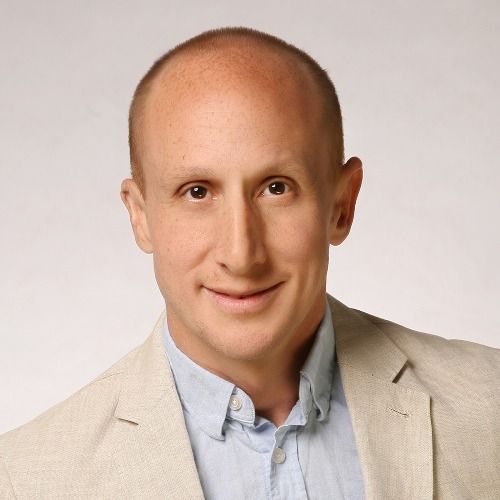
Gary Dordick – Why Your Ideal Juror Might Sink Your Case (Rewind)
The jurors who look perfect on paper can sink a case, while the ones who seem dangerous can help carry it. Gary Dordick, founder of Dordick Law Corporation with 10-figure verdicts to his name, has learned to look past those first impressions. He tells hosts Harry Plotkin and Dan Kramer about a trial where the defendant cried during jury selection and most of the panel admitted they felt sorry for her. Rather than strike them, Gary kept them, and the one juror he did remove may surprise you. Tune in for the full story, plus how Gary opens the money conversation in voir dire by starting with a line jurors expect to hear from the defense.
Learn More and Connect
☑️ Gary Dordick | LinkedIn | Instagram
☑️ Dordick Law Corporation | LinkedIn | Instagram | TikTok | X | YouTube
☑️ Harry Plotkin | LinkedIn | Facebook | Instagram
☑️ Dan Kramer | LinkedIn
☑️ Kramer Trial Lawyers on LinkedIn | Facebook | YouTube | Instagram
☑️ Subscribe: Apple Podcasts | Spotify | YouTube
Produced and Powered by LawPods, a podcast marketing agency for law firms
00:00:00 Meet Gary Dordick
00:03:14 Jury selection in his first trial
00:10:16 Explaining bias to the jury
00:15:00 Drawing out bias on a questionnaire
00:17:28 When a shared background backfires
00:21:21 Motorcyclists and jurors with injuries
00:24:20 The defendant who cried in voir dire
00:29:33 Jurors who say verdicts are too high
00:35:12 Reading 60 questionnaires overnight
00:38:47 More bad jurors than strikes
00:42:10 Why he kept a Marine and a firefighter
00:46:13 The juror he was sure was on his side
00:51:09 Talking money in voir dire
00:57:38 The Gary Dordick Show
01:00:55 Questions for jurors he can't read
Transcript
Ready to take your verdict and jury selection to the next level? Jury consultant Harry Plotkin and trial lawyer Dan Kramer are your ticket to tipping the scales before trial begins. You're not just picking a jury, you're picking justice, produced and powered by LawPods.
(:Hey there. Before we jump in, a quick word. Every so often we like to reach back into the archive and reshare an episode that really landed with listeners. And this is one of those episodes. If you've heard it before, you'll probably catch something new the second time around. And if it's new to you, welcome. You're starting with one of the good ones.
Dan Kramer (:Here we are back with one of our biggest episodes yet, Harry Plotkin. I think our guest today really is a true Hall of Famer in this profession. Someone who, when you hear about "trial lawyer," the name just always comes up of kind of who you look up to, who you see out there just getting consistent huge verdicts. He's a Hall of Famer, like I said, has gotten seven, eight, nine-figure verdicts.
Harry Plotkin (:10.
Dan Kramer (:10. 10-figure verdicts. That's right.
Harry Plotkin (:When's the 11-figure verdict coming up here?
Dan Kramer (:Yeah, we have the great Gary Dordick here with us, someone I've looked up to since I was in law school and really appreciate you joining us here, Gary. I think it's really going to help a lot of people hearing what you have to say about jury selection.
Gary Dordick (:Well, thank you very much for having me. It's very nice, kind words. I think all of us have to give back. I had folks that I looked up to that were kind to me with their time and shared things with me. And I think it's very important for all of us to share what we've learned. Most of what I've learned, I've learned the hard way. I got punched in the face a lot. I walked into a lot of brick walls and didn't know what I was doing and didn't have the benefit of podcasts, didn't have the benefit of the seminars and the training and the volume of books. And so we just did things to see if it worked. When we got slammed and we lost, we're like, "Well, that didn't work. Let's try something different." And it was sort of feeling around with trial and error.
(:People don't think of it, but if you look at people my age and my era of trial lawyer, they say, "Oh, what kind of technology did you use? Oh, how did you present your case?" It's like, "Hey, shit, there was no technology. Cell phones weren't invented yet. There were no personal computers. Maybe NASA had a computer, but none of us had it. All we had was a pocket full of quarters or dimes so we could go to the payphone and call somebody who knew. There was no technology. So we didn't have the availability and easy access to information and easy access to good lawyers that might be able to share things with us. We'd go to the courthouse and watch and learn, and that was about it. So I am happy to be here and happy to share what I can to help the folks listening to this.
Dan Kramer (:What was Gary Dordick's jury selection like in his late 20s?
Gary Dordick (:Well, I know you don't want to spend too much time with war stories, but let me put it this way. I'll spend a minute or two to make my point. I tried my first jury trial three weeks after getting sworn in. I opened my own law firm two months after being sworn in, but three weeks later there was a case. I was told to go down there and settle the case. Went down there and the judge said, "Are you ready for trial?" I said, "Well, hell no." The defense said, yes. He said, "Okay, jury's on its way up." I said, "I thought we were going to settle the case." The guy's like, "No, there's no offer." So the jury comes up and the judge asks me if I'd like to conduct voir dire. And I'm thinking, "Well, not really, but I guess that's what we do, right?" So I strut right up.
(:I'm trying to be the best lawyer I can pretend to be. And you know what? I think I did pretty well. I thought some probing questions. I have no recollection of what they were, but I felt pleased with myself and I turned and I sat down and I looked around and beamed with some pride, the judge and defense counsel, and I thought, I'm pretty good at this. The judge said, "Is that it?" And I said, "Yes, Your Honor, it is." And then the defense lawyer stood up. He asked all 12 jurors questions. I only asked juror number one questions. I did not know that you could ask all of them questions. When the judge asked me who I wanted to excuse, I'm like, "Well, can I ask the rest of them questions?" And he said, "No, that ship settled." That's pretty much how the whole trial went.
(:So back then it was a tough learning curve, but I just tried to figure it out and it was a lot of trial and error. But you know what people don't understand as well today is back then when we tried a case, we had one doctor and they had one doctor and the trial took four days, three days. And that's how we tried so many cases. I'm somewhere between 150 and 200 jury trials. I don't think we're going to see that type of thing as much in the future because I try to help my young lawyers try cases and after two or three years, they have three trials, four trials that they can do on their own. But this is an art. It is a practice. If you want to get good at picking a jury, pick a lot of juries, look at a lot of people, see what it's like to pick a jury with a good judge and a helpful judge and a judge who does good voir dire themselves.
(:Try picking it in a hostile environment with a hostile judge. Try doing it to the extent you can in federal court or different state courts around the country. The more you do it, the better you get at it. And if you don't do it enough, you will not be very good at it, period. You can have instinct and you can have a certain skill to it, but there's no substitute for actually standing up and picking a real jury. You can do some mock jury voir dire, which is helpful, but you really got to pick a jury to get good at picking a jury.
Dan Kramer (:Yeah. I remember I was a defense attorney my first four years and I remember my first three jury trials. I didn't know what pass for cause meant. I had no idea what those words even mean. And so every time I would just be like, yes, Your Honor, I pass for cause every single time. It took me at least three trials to figure out that I actually can do... I don't have to use all my strikes. I can actually get cause and I don't have to pass every time.
Gary Dordick (:I don't even remember them asking me that early on in the trials. They probably did and I was kind of like -
Dan Kramer (:I was like, I guess sir. Yeah. I don't even know what you're asking me.
Harry Plotkin (:I'm not going to argue with the judge.
Gary Dordick (:Yeah, no, unless you think I shouldn't.
Dan Kramer (:Exactly. Exactly.
Gary Dordick (:In the beginning, I think since I was able to do a lot of trials, it's kind of funny. I was just trying cases because I had to try cases. I started my practice. I had seen Michael Piuze who tried a lot of product cases, tried really hard cases. I met him when I was a law clerk in law school and I thought that's what I'd like to do. He shows up as the gunslinger late in the game. He takes on the biggest, baddest defendants. And I thought, I'd like to do something like that. And so that's how I started trying cases. And it was just something where I would pick a trial. It was get a case, try the case, get a case, try the case. People were giving me the worst crappiest cases because that's all they'd give me, but I could try 13, 14 cases in one year.
(:And I saw a lot of juries. I was telling my son yesterday, he's in trial right now in Van Nuys and really frustrated with the way it's going. And I said, look, people don't know this because I guess I don't say it a lot. If you look at it technically, I probably lost 10 of my first 20 trials. Lost because either I didn't get as much as they offered. They may not have been defense verdicts or lost because I could have gotten them to offer me more if I would've tried. But I was just trying cases. And then after doing that for just a number of years, just by myself, sole practitioner, trying case after case, I get a letter from some consumer attorneys. I think it was the Trial Lawyers Association. They said, "You're nominated for trial lawyer of the year." I'm like, "For what?" I'm just out here pounding and swinging and rolling in the mud.
(:And I'd hit Disney. I was, I think the first one to beat Disney. And that was how I learned, hey, there's a consumer attorneys. And then I was just doing my thing and someone said, "Hey, what about ABOTA?" I said, "What is that?" They said, "Oh, it's this trial lawyer organization, but you have to try 20 jury trials." Back then it was 20. Now it's down to seven. You have to try 20. I'm like, "I did that in the first two years. No problem. I got 20." And so I became more involved and I saw that there were more seminars and there were more opportunities to learn.
Dan Kramer (:And now you'll be president. You're president of ABOTA.
Gary Dordick (:Incoming president of the Los Angeles chapter. But hey, enough about me. Let's talk jury selection, huh?
Harry Plotkin (:Sure. One question I wanted to ask you, Gary, is because one of the mistakes I see made a ton, and not a lot of lawyers understand this, some go through their whole career without realizing this, is you never want to rely on your jurors to self-diagnose their bias. You can sit there all day long asking all these questions like, "Are you biased? Do you have a problem or issue with this or with that?" And then they tell you, and that's fine to get rid of those people, but are the rest of the jurors great? And I always tell some jurors think that they're totally fair and unbiased and they're totally wrong. So you as a lawyer have to do that too. And I remember you telling me this story that always stuck in my mind about asking about feelings of sympathy for a defendant. And I don't know if you want to tell that story, but I remember what I'm talking about where you have some jurors who are like, "I feel a lot of sympathy for the defendant," and some who are like, "Nope, not at all." Do you just strike the ones who feel sympathy and keep the ones who don't?
Gary Dordick (:Yeah, that's a good point. But I think it's important to understand that you have to explain bias a bit to the jury because if you go up to anybody, strangers that show up for jury duty, they're trying to get back to work by noon or get home by 12 o'clock and then they get called to a courtroom, then their name is picked. Then they're in the box and then they're in the fishbowl and they sit there and suddenly you say, "Hey, how much is the death of a baby worth?" They're like, "What did he just ask me? What? Death of what? Who? My baby?" And lawyers don't have a feel for what it is to be a juror. And you have to talk to them and let them get comfortable speaking, warm them up a little bit with speaking. Talk a little bit about bias not being a bad thing that everybody has likes and dislikes.
(:What we're really talking about is in your life experience, have you come to think a certain way about things that might make you great for the case next door, but maybe not the best juror for this case? That's kind of what we mean by bias. It's strong likes and dislikes, strong opinions. And I think you need to get people comfortable with talking about how they feel about things. And I know the basics everybody talks about. In the old days when somebody would say something we didn't like, "Oh, I think there should be tort reform. Oh, you lawyers, I know you just want..." Back then, it was hundreds of thousands of dollars. And we'd be like, "Oh your Honor, chambers, let's talk to this one in chambers. This is a troublemaker." And now of course we've learned to thank that juror for their negative opinions we may not like and telling them, "Well, that may not be music to my ears, but I thank you so much for sharing because that's exactly what we're talking about.
(:Because you are involved in a lawsuit, sir, you have strong feelings about them, it seems. I appreciate you sharing. And what you said was you'd have a problem with being on a jury that awarded a lot of money because of your experience." And obviously you're working to get cause, but you're encouraging the people to talk. You're encouraging them to say things that we may not like or may not... We used to think don't let everyone hear it, but if you look like you're hiding something from the panel, you're going to lose credibility. And once the person said something negative, they all heard it. So address it, deal with it. And one of the best things you can do is take that opinion after embracing it and ask who else has the same feeling or similar feelings and then get a discussion going around the whole panel like now it's you and 12 or maybe 18 or 24 of your buddies just hanging out talking about it.
(:"What do you think? What do you think? What do you think?" And then always flip it the other way. "Okay, this gentleman thinks there should be limits or caps, even with a drunk driver, even with this." Show the unreasonableness of it perhaps and then say, "Who has a different opinion? Who thinks that maybe lawsuits are a good thing or who thinks that damages, that people should be fully compensated for all of their suffering?" And you kind of get an idea who you're going to call on because you've heard from them for a while. You've talked to them for a while. You've listened to what the judge says and then you find a nice person there and say, "Ma'am, what do you think?" She says, "Well, I disagree strongly. I disagree. I think someone should be compensated. I've had chronic pain and I'll tell you no money would be enough for me."
(:You say, "Well, thank you for sharing that view. Who agrees with Ms. Jones?" And you can then get a great discussion because so many lawyers like to hear themselves talk, but they don't listen that well. And as a trial lawyer picking a jury, it's not just listening to what they say. When you're dealing with subjects like racial bias and discriminatory conduct, most of it's in the body language. No one's going to admit they discriminate against somebody from the Middle East. They're not going to admit they discriminate against people that don't speak English, but a lot of people do. They don't hear their testimony on a level playing field, but bringing out that bias is very difficult.
Dan Kramer (:There's three really good topics. I want to hear exactly how you address these because I've seen you address things like alcohol really well, which I want to get to. So the person who says they have prior similar injuries, which I want to get to, but also let's just go start from the last point you made on you have an immigrant doesn't speak English or you have someone from the Middle East maybe wearing a burqa. I don't know, who knows? Whatever your client is, how are you specifically addressing that for the jury?
Gary Dordick (:Well, number one, I used to not be a fan of questionnaires and now I am. I used to think that I'm better at gauging juror attitudes and getting cause than the defense is. And if we use a questionnaire, it sort of levels the playing field because even not a very good defense attorney at voir dire gets a ton of information right there, almost enough where they can pick the jury based on the questionnaire. But of course, as Harry will tell you, we get questionnaires and generally I get them on paper and I hate them all, and then I stand up and start talking and I love them all. So the questionnaires can be a little bit deceiving, but it's helpful. But on bias, I tried a case downtown for a woman, Middle Eastern from Iran, and I put on the questionnaire, I wanted to find a way to elicit the bias without making it difficult for someone who has the bias.
(:So I phrased the question, "How many of you think that people from Middle East, in particular Iran, are less trustworthy in business?" Harmless question. And so I told the judge, "If anyone answers yes, they're summarily disqualified." And the defense objected and the judge said, "Well, why would they be summarily disqualified?" I said, "Oh, it's easy. Let's rephrase the question. How many of you think Black people are less trustworthy in business dealings?" Judge is like, "Oh, I see your point. Anyone who checks yes, no questions, they're dismissed." So we lost five, I think, on that question alone. So that's one way. Nowadays, I think with the Trump administration and everything that's happening with the border, I think you're going to have more trouble with people that are Spanish speaking and to them might appear not to be legally in this country or from this country or born in this country, and it's much harder to find that kind of bias.
(:I would ask the questions in a questionnaire about their thoughts about people that don't speak English, people that will testify through an interpreter and see. But mostly on those questions, I always find the bias in the body.
(:When I ask, does anyone have a problem with the plaintiff testifying in Spanish through a Spanish interpreter? I get this. Something and you have to call them out on it.
Dan Kramer (:Harry and I have talked about this. We had a trial, same thing. The plaintiff had lived here for 35 years, was going to speak to an interpreter. The only people that bothered the most was four Hispanic women whose dads learned English after being here a very long time. That bothered them the most. So it's not always the usual suspects you think of who are going to be the most biased necessarily, right? So it's almost you got to hit that question. You can hit that question pretty head on.
Gary Dordick (:Well, that's an interesting point. Now for our program here, we're really slicing it very thin that most people may not even understand, but we have a tendency, I think, as trial lawyers to work on broad assumptions. All doctors and medical people are bad for PI cases. Healing arts and teachers are good. We have these stereotypes that we try to follow, and to a certain extent, we have to. Stereotypes often prove accurate, but believe it or not, in talking to a lot of my friends that try cases, particularly Hispanic lawyers, they're finding the educated Hispanic jurors are the most difficult jurors on uneducated Hispanic plaintiffs that don't speak English or speak English, but have gotten in some trouble. For example, on civil rights cases, if you talk to lawyers that try them, they get rid of every law-abiding, working Hispanic juror because it seems to be their attitude is we came to this country legally.
(:We worked hard. We work hard to establish our community, the reputation of our people, and you guys are ruining it. You guys come here and break the law. You guys don't learn English. You don't acclimate to the community, and they're the harshest jurors ever. Whereas most people think people that have similarities will take care of each other, that Hispanic people will take care of another Hispanic person. And in that case, it is rarely proven accurate.
Dan Kramer (:Harry, I want to hear... I mean, you're at trial more than anyone, right? So are you seeing that?
Harry Plotkin (:I mean, the same thing applies not just to any situation where a lot of times lawyers will think, "I want people who are similar and they can identify with my client." But you know what? People who are in the same shoes as your client judge them more harshly. Motorcyclists are often the worst for another motorcyclist. They're like, "I know this is dangerous. I take a million precautions. I never would've done this and that, and I can't believe he got in that accident." I mean, it applies to everything. It goes both ways. I have had cases against trucking companies, bus companies, any commercial vehicle. If you get a juror who is an absolute boy scout about safety as a driver, they are the best jurors for you. So they will judge the defendant harshly. So you got to listen closely. Yeah, you're right. Don't assume that just because they're like your client, they're going to be looking at them even harshly and know what it's like and they know what they feel like they can do to keep themselves safe.
(:An example, another great one, anytime I work on a PI case where the plaintiff, there's maybe some comparative fault or at least alleged compared to fault. One of my questions is anybody here work in a really dangerous job where your head's got to be on a swivel and you got to be... Because those are the worst people. You might think, "Oh, those people would be great. They understand danger and safety and potential injuries and risk." But no, they're like, "Hey buddy, personal responsibility. I keep myself safe. I'm an electrician. I do a billion things, and if you screw up and you don't notice something, that's on you." So you're right, Gary, but people who... The best jurors for you who give the most damages are the ones who are like, "I can't even imagine being in that situation." If you work in a cushy desk job, you're like, "I expect my workplace to be safe.
(:I'm shocked if I hear about an unsafe work."
Gary Dordick (:The do-it-yourself handyman type or the guys that work in those kinds of construction fields are often not good jurors for plaintiffs because they don't trust that anyone else is going to take care of their safety. They don't expect anyone else. They don't expect them necessarily to make a safe product or a safe roadway. They're always taking care of themselves. On your point about the motorcycle drivers, I would say this. Yes, they can sometimes be very difficult jurors for other motorcyclists, but all things being equal, I often keep motorcyclists on my jury because I'm a rider myself. I try a lot of motorcycle cases and it is a them versus us. We're a very small minority that ride motorcycles. Cars are out to get us and they know cars never see us. Cars always blame us when they hit us. So I do like motorcycle drivers, but you have to talk to them about somehow they become much more careful when they're in the jury box.
(:But I do frequently like motorcyclists depending on their views. And also I'll tell you this, it's another here, we're slicing the subtle points here. If you're a plaintiff, don't ever get rid of a motorcyclist on your panel because the defense is always going to do it for you because they're always going to be afraid of people on motorcycles.
Harry Plotkin (:Yeah, do it last. I mean, yeah, if you know the defense is probably going to be worried about this person, save them for your fifth or your sixth strike or whatever venue you're in because yeah, eight times out of 10, they will knock that person off. And same applies to all of the categories. Hispanic, Hispanic juror, and you're like, "I feel like this person's going to judge my client harshly." Yeah, wait. I mean, eight times out of 10, they'll strike them for you.
Dan Kramer (:Similar injuries. The person who also has had back problems but never got money for it.
Gary Dordick (:That's what I was going to bring up was, in the same category is people with similar injuries. When I was a less experienced lawyer, if my client had a cervical fusion, I kept every juror with a cervical fusion. If my client had a knee surgery, I kept every knee surgery plaintiff because they knew what it was like to schedule the appointment and be scared and have surgery and recover. I thought, "Oh my God, they're perfect jurors." But what I learned as I became a little more sophisticated was: it wasn't if they had the same experience as my client, it's how it affected them and how they dealt with it. My client three years later is saying, "Oh, it hurts so bad. I can't even put weight on my leg." And they're saying, "After three weeks, I was playing tennis again." That juror doesn't understand your client at all and will be distrustful of them, their injury, and their claim for money.
(:So it's not whether they've had the same experience or same injury, it's how it affected them and how they dealt with it.
Dan Kramer (:Almost worse than that too, if no other jurors in deliberation have had a similar surgery, that juror is going to influence them a lot more being like, "Hey, I have this fusion. It really isn't that bad. Their opinion will carry more weight in deliberation."
Gary Dordick (:So let me tell you, Harry asked me to tell a story when we first came on and I went off on a tangent, but it is, I think, a good point as we look at subtlety. So let me tell you about the case. I was trying a case in Long Beach and I had a plaintiff that was very harsh as a plaintiff would be. He was a very large muscular guy who owned a body shop. He had had a prior felony, as bad luck has it, for insurance fraud. And he was just a rough, tough guy and a big guy claiming a back injury, which he had, and he had had back surgery, but he didn't come off particularly sympathetic to most people and certainly not at first impression. I was begged by one of our CAALA members to try this case for him, so I did.
(:And the defendant was a housekeeper who was interestingly successful as a housekeeper in that she had at least one or two people working for her as a housekeeper, and she had $100,000 policy on her car. It was a red light dispute. She spoke only Spanish, the defendant, and they refused to pay the $100,000. So we go to trial and we're picking the jury and she's a very, shouldn't say elderly, my age, maybe she's probably 60. During jury selection, I looked at the panel, looked like a great panel, largely Hispanic in Long Beach, but the defendant started crying during jury selection, sitting at the table just crying. It was a weird kind of experience when we were talking about damages and can you award a significant amount? She's crying, and before you know it, there's a Hispanic gentleman that seems to be a little emotional. There's a couple other jurors, kind of emotional, and within a short period of time, about six or more Hispanic jurors, he stands up and he says, "Look, I don't think I can be fair." I said, "Well, why not?" And he said, "Well, look, the defendant's crying.
(:She's obviously upset you're suing her for all this money. You're talking about all this money and she's crying and she reminds me a lot of my mother and I feel bad for her." Now he's crying. And then there's other jurors crying. I said, "Well, how many people feel like that?" At least eight people, nine people, 10 people out of 12 raised their hand. I feel the same way. I stayed on my course and I asked questions and they were great jurors. They were great jurors except for the sympathy factor. I asked them about it and whether they could keep an open mind, and they said they'd try. So the judge says, "Mr. Dordick, peremptory challenges." He says, "Oh, challenges for cause?" I said, "No." I got this one, "Cause challenges, Mr. Dordick." I said, "Yeah, none." And he said, "Okay, peremptory challenges." There was one woman, Eastern European, who, when I asked her if she felt anything about the defendant crying, she said, "No." I said, "Well, do you think it would affect you in any way?" She looked at the other people like they're weak, "No." The judge says, "Peremptory challenge?" I said, "Yeah, Eastern European is the only one." They looked at it like, even referral counsel that was there, he's like, "Are you out of your mind?" I said to him, I said, "Look, man, think about it.
(:Our case is about giving money, potentially millions of dollars to this big, strong, tough guy who has a back injury. If they don't feel anything about a 60 plus year old woman sitting there by herself crying in a courtroom, if they don't feel anything for her, they sure as shit ain't never going to feel anything for our guy. That woman didn't feel anything for the defendant. She's not going to feel anything for us." So they were good people. They were expressing genuine true emotions. So my only problem with that trial was getting them to understand that my client's legitimately hurt and entitled to money. So I kept them all. The defendant continued to cry throughout the trial. She was crying on the stand on cross-examination. I said to her, "Ma'am, are you crying because you heard the plaintiff's testimony?" "Yes. ""And you know how badly he's hurt?" She said, "Yes.
(:And you see how badly he's hurt because you ran the red light?" And she said, "Yeah, I think so." And then this was the one that threw her and threw everyone. I paused, I wait for it, I build it up. She's sniffling up there and I say, "You want the jury to award everything that's fair, don't you?" She's like, "Yeah." On a fusion case on those facts, I think it was one of my largest verdicts. It was about 10 years ago. I think it was like $6.2 million. So the idea that you might run from... Another thing that's similar, and I think you guys should share your thoughts about it, is all the inexperienced plaintiff lawyers run when you use a Judicial Council questionnaire and the jurors check, they think verdicts today are either excessive or often too high. You have six choices, right? Excessive, too low, often too low.
(:Everybody freaks out when somebody checks that box. You're like, "Oh my God, I was hoping they'd say too low." Well, they almost never say too low. And likewise, most people think generically when they show up that verdicts are too high. They think that because they never publicize verdicts that are reasonable and they don't hear about all the reasonable verdicts. So it's our job as a lawyer to say, "You marked the box or I asked you about excessive verdicts and you said yes. You raised your hand yes. Do you think that's maybe because of what you see in the news and what you read and what you hear? Oh yes. Do you think that they publish all the reasonable verdicts? Do you think his honor and the courtrooms all up and down the state, do you think that most of the time the jurors get it right?
(:And do you think maybe that's the only reason? Granted, they're hearing me talk a lot, but I talk a lot if I want to tell them something, if I'm preconditioning them essentially, properly preconditioning, because I want them to think about that. And then after I give them the stuff to think about, then I'm going to stop talking and ask them, "What do you think about that?" So they sometimes say in jury selection, the lawyer shouldn't be talking the whole time. True. But sometimes you have to get a message out. Sometimes you have to educate. Too many lawsuits you talk about, you say, "How many of you think that sometimes lawsuits are good for society, like making products safer or roads safer? You're saying a bunch." And then you turn it around, "What do you think? What do you think? What do you think?" But I'd say I never excuse a juror for they think verdicts are excessive or often too high by itself.
(:Now, if then talking to them, the rest of what they have to say is miserable, then that's just the icing on the cake. But for the most part, many times when someone says that, they're like, "I don't know. I just kind of checked it. I kind of hurt my friend got hurt or I saw a TV show." Most of them don't have any foundation for it, don't believe it strongly and are just as easy to say, "Yeah, you're right." So it's something to be aware of.
Dan Kramer (:So are you using a questionnaire on every single trial now?
Gary Dordick (:So what happens is the old school thought with questionnaires from judges was that, oh, they take up too much time. We don't have time for a questionnaire. So if you're doing a simple auto v. Auto case with nothing of any real significance, it's a back injury, a neck injury, you don't need a questionnaire and the judge isn't giving it to you. Most of my cases have some degree of emotional distress, psychological injury, TBI that has a psych overlap. I tell the judges, the judges don't know. I tell them day one or at your final status conference, we're going to need a questionnaire. And they say, why? I say, well, my client's on psychological medication, antidepressants. We have a psych claim. I want to know about their experience with depression, anxiety, PTSD. I don't think, Your Honor, it's fair to ask them in front of everyone else in open court.
(:So if we have to go into chambers, that's going to take 10 times as long. I also, generally, if you have an issue like we said with your client not being from this country or a witness being through an interpreter, those are sensitive subjects. So the truth is I often find a reason to use a questionnaire because I get so much information that they're not going to let you ask. The questionnaire has, what do your parents do for a living? What do your kids do for a living? Has where were you were born? What's your date of birth? It has their full education. And then you add, that's the Judicial Council questionnaire. So most judges will let you use it because it's the Judicial Council. Judge, it was approved by people smarter than us. They tell us to use the Judicial Council. And then I tell them, Your Honor, you'll see at the end, it's designed to add supplemental pages.
(:That's how it was intended. So here's two pages of questions, things that you want to know about unique to your case. Are you a property owner, a landlord? Do you have rental property? Or what are your views on police or corporations or depression or molestation? So I like to use them and I tell the judge, it'll save time. You have to be prepared. You have to get the questionnaire approved by both sides and the judge before the day of jury selection. You have to show up with 60, 70, 80 copies. You have to bring the pens, the nuts and bolts of a questionnaire or the lawyer brings the pens. We bring clipboards. We bring pens and we bring copies and we say, Judge, it's all done. We arrange for a copy service to pick them up at the break and then send them by email to defense counsel, to us and to the court.
(:And then we bring the originals back. So we tell the judge, while we're rolling, it's not going to cost time, but you will get, and if you haven't looked at the Judicial Council questionnaire, those folks listening, get it, print it, read it. And if he won't give you or she won't give you, your judge doesn't let you use it, those are great questions to ask. And the judge can't object to those questions or sustain an objection because those are the Judicial Council questions.
Dan Kramer (:So Gary, on these questionnaires though, obviously if you're dealing with like 60 jurors, you've got a ton of data and I imagine the judge isn't going to give you two days to read it all and then come back. So how are you going to first off read, analyze, interpret all of that information?
Gary Dordick (:Yeah. The bottom line why the judges don't like them is because you need overnight to photocopy them and distribute them. So you always have overnight because you might do a session in the morning and a session in the afternoon, you pick up 30, 40 jurors in the morning and 30, 40 in the afternoon. Or if it takes multiple days and it's one panel a day, you end, you copy and you distribute. So I make sure personally, I like paper, sorry to the trees, but I get a hard copy of all the questionnaires delivered to my house immediately. I evaluate them one through five. Five is the best. One is the worst. I do pluses. It's a two plus or a three minus, that kind of thing. And I do that on the top face page of every questionnaire based on the content of the questionnaire.
(:I highlight using a highlighter things that are important. I write notes on them, ask about this prior accident or excessive jury verdicts, whatever it is. So I then take the questionnaire information and I move it to the sheet that I have in front of me that I'm using for voir dire so I can move more quickly about the jurors. And then before I lock it in, I will still pick up the questionnaire, right? We didn't cover some of the basics that I know most folks know, but when you're picking a jury shortly into the process, whether it's through questionnaire, orally in voir dire, the strong plaintiff jurors are identified. The horrible defense jurors are identified. It's the middle group that you're not sure about. And those are the ones where you need to spend your time. And on those, I'm going to pick up the questionnaire while I still have time to ask questions and I'm going to flip through the pages right in front of them.
(:I'm going to tell them, I made a few notes, things I'd like to ask you about. And then I will take my numbering system, try to sort of finalize it because the defense still has to go and I might change it again. And then when I get to, let's say it's a four, that's my final number. If I'm sold on them, I circle it and I put a yes that I want them. Or if it's a one or a two, I circle it, meaning I'm sure and then I put a yes or a no. And then I put the order that I'm going to use my peremptory challenges because I know the defense might use some or maybe they're a two or three and I'm not a hundred percent sure which way to go. And then the next ones coming in are either great or terrible.
(:So it changes, but you need a good system. You need to be organized and you need to spend the time. And also maybe this is a different topic. We got a little bit off of questionnaires, but you can use publicly available electronic data to search these people. You can go on different social media things as long as it's public. So we use everything available that night. We work all night on it, not all night, all night because I believe in getting a good night's sleep before each day at trial, but we work hard and the questionnaires can be real helpful and it helps you organize and structure how you're going to go at the oral voir dire the next day.
Harry Plotkin (:Gary, let me ask you this though. What do you do when, because I know we've all been here, I'm sure you've been there before where you're like, okay, I got my plan. I got my eight ones that I got to strike. Oh shit, I got six strikes and I got eight ones or whatever, eight ones or twos or whatever. How do you go about figuring out who are potentially the two jurors that I got to live with and not strike?
Gary Dordick (:What you're trying to do with all the defense jurors and the negative jurors obviously is you're trying to get cause. So my voir dire is to figure out the ones I'm unsure about, to get cause on the ones I'm sure I don't want, and to insulate and protect the good jurors that I know I want to keep. So the good jurors, I remember I had a woman once on my panel with a seeing eye dog, a blind woman who was the kindest, sweetest, nicest person. She spent her time on a help line on the phone helping people in distress. And she was an older woman and I just loved her. I just would do anything to get her on my jury. And so I said, "Ma'am, would you like to be on this jury?" He says, "Oh heavens, yes." "Have you ever been on one?
(:""Oh no. Once in my life I was hoping I could do this. And would you like this to be that one in a lifetime chance where you finally get to be on a jury? Oh yes. And you think you'd be good and fair?" Oh, absolutely. The defense is looking at me like you son of a bitch. Sure enough, I've told people before, she was on the jury. I won 12 zero with the dog like this at the end. I won him too. So try to get cause when you don't have enough peremptory challenges, it takes time. These judges say you can pick a jury in 15 or 20 minutes. No, you can't. You can't figure out enough about people and you can't figure out if they have a bias to the level to prove to the judge. If the judge wants to pick a jury in a short period of time, then his standard for bias should be, yeah, I think I have a problem being fair.
(:But most of them don't let that suffice. You have to pursue it and you have to establish how strongly they feel that way. One of the things you can use a tool to save time is when someone says to you, yeah, I kind of have a problem with lawyers or lawsuits or whatever it is. You say, okay, on a scale of one to 10, how strongly do you hold that view? And that's a very good way. Quickly they say, oh, it's a 10. It's a nine. It's an eight. It's a seven. So very, very strongly, you deeply hold this view. Yes. So sometimes switching over to ask the juror to self-assess on a one to 10 basis can be a helpful way, but cause is critical. I tell jurors, when you talk to someone, I talked to Arash Homampour, he got a great verdict on a very hard case.
(:He told me the judge gave 26 challenge causes during jury selection, 26. Well, isn't that the difference between a plaintiff verdict and a defense verdict maybe two or three times over? If the judge didn't give him any challenges for cause, he had a disaster on his hands. But by granting the cause challenges and getting a fair panel, it was a totally different outcome. So cause challenges are essential, essential and lawyers need to know how to get the jurors to admit the bias and to get the judge to understand what the proper standard is.
Harry Plotkin (:But what do you do, Gary, when we've been in that situation where you got 12 bad jurors and you're going, I got to get cause and you do, but then you wind up with maybe one more bad juror than you got for cause because you had a judge who was just, they're sitting there, they're worried about how many jurors they have left in the back and they start denying a couple. How do you decide, what is it that you're looking at when you're deciding seven of these people are like Fs or ones, which one should I leave on there?
Gary Dordick (:Well, I think that one of the things people have to be careful about in what we do is too much generalization and too much stereotyping. I don't want to engineer. I don't want a computer scientist. I tried a case out in San Bernardino, extremely difficult case. They wouldn't offer me the $500,000 policy. My client was shot in the stomach by gang bangers and lost both legs due to the lack of blood flow. So bilateral amputations on an 18-year-old and I was suing for negligent security that the security guard should have done more, should have seen these gang members and done something to protect my client or kick him off the property. Hard on every level. The case was trifurcated, but I knew one thing, damages were never going to be my problem on that case. I have an 18-year-old with no legs. The most conservative juror in the world was going to give plenty of money.
(:My problem was liability. 100% was my problem was liability. So when I picked the jury, I took a guy who had served in the war, Vietnam, who's a 20-year Marine. I took a guy who was a first responder, firefighter. I took a guy who worked up on the pole for SBC or whatever that phone company. I took all these strong defense jurors. Their professions would be terrible ordinarily for a plaintiff. However, what they all had in common was my theme of the case. If somebody doesn't do their job properly, someone else might get hurt or killed. So when I was talking about this security guard who saw the gang members, identified them as gang members and went the other direction because his shift was over in 10 minutes, all those jurors were strong plaintiff liability jurors. When it came to damages, I asked for 70 million, I think, and they were hung for three days.
(:I though, oh no, I'm in trouble. They were hung because the conservative ones only wanted to get 50 million and the plaintiff jurors wanted to give 70 something million and they ended up at 50 or $60 million. So you have to look at that bad juror as they refer to them. Why? And can you connect with that juror? Can you, based on who you are, who your client is, the theories presented, can you take what might be a conservative defense juror and turn them around because your side is righteous, because the other side's not taking responsibility. So there's reasons why you don't like all the various jurors you don't like, but within that broader group of, I don't really like this juror, which ones do you think you can reach? Which ones are fair-minded? Which ones may have conservative views, but at the end of the day will truly follow the law and will probably listen and give a decent award.
(:And then of course, as we tell, even the most basic person experience level picking a jury, you got leaders and followers.
Dan Kramer (:I was just going to say that. It really could just be as simple as that because I picked so many juries with Harry and there's a juror I'll be worried about like, man, we got to get... He's like, she will not have or he will not have any influence in there. They're just going to ignore him or her.
Gary Dordick (:Or they don't care. You got the-
Dan Kramer (:The stoner who's like, I don't know.
Gary Dordick (:Yeah. Well, whichever gets me out of here sooner.
Harry Plotkin (:There's also this distinction I always make between when you think about leaders, there's the leader who is going to have some credibility with the other jurors because they present themselves as like, I'm super fair and it depends on the evidence and they don't have any real biases that they talk about and they're in a position in their jobs where they kind of know what they're talking about, like they're a manager or something. And then you have ones who are just loud assholes and you're like, how can I keep this guy in the jury? But if you're down to your last choice, sometimes I've left that guy because I'm like, the other jurors are going to hate that guy. They're not going to listen to that guy. He might be a young, obnoxious guy or just someone who's just obnoxious. And sometimes they pump up your damages because they piss off and polarize the other jurors.
(:So think about, are the other jurors going to actually listen to this person? Are they a real leader or are they just a loudmouth?
Gary Dordick (:You want to hear something interesting. The last trial I just finished a couple weeks ago, I was in trial five weeks on a hard case. It was Gibson versus Universal Studios. The parking arm came down and hit him in the head. You got two issues. One, why is he in the street where he gets hit by this parking car arm that comes down? And two, how does someone have a mild traumatic brain injury from being hit? So I'm picking the jury. We used a questionnaire. It took a while. Judge Shaller was very good judge, very fair to us. So I get the jury. I'm pretty pleased with the jury. I like them and case is going well. With all the issues I had, case going well. And there's one juror there, I'd say late 50s, maybe early 60s, works in some sort of business side of healthcare.
(:I liked him. Each day, you can't talk to the jury, of course, but when I walk down the hallway in the morning and I see the guy, he's looking at me like — I get a good vibe. When I'm carrying all my boxes, he's looking at me like, "Oh, that's a tough load." I just got a great feel from him. His questionnaire said he was born in Israel, he's Israeli. My wife's Israeli. She comes in to watch my closing. First break during my closing, she says, "What about juror number two?" I said, "Oh, he's in. He's good. He's Israeli." She said, "Yeah, no, he's not. He's against you." I'm like, "What are you talking about? The guy loves me." I said, "No." And so turns out he's the foreperson, 100% against me, 100%. Now I got a great verdict, $7.6 million on that case and 10 times or 15 times the offer, but she was right.
(:And I asked her — my wife, who's a new lawyer, brand new lawyer, she's never done trials. I mean, I think I knew why once it happened, I didn't see the train wreck coming, but she's like, "Hey, in Israel, Israelis, their attitude is you got to look out for yourself. Everyone's trying to kill you. Everything's dangerous. That pothole didn't cause your injury. The idiot that stepped in the pothole caused his injury. The arm coming down wasn't the arm's fault or Universal's fault. Get out of the street and stay away from falling objects. It's all your fault. They don't believe that you blame anyone else. It's like we talked about earlier, that handyman that makes sure everything is safe for him and doesn't trust others. Israelis have that mindset. And my wife being Israeli spotted him and spotted it right away. And as she said it to me, I thought, "Yeah, son of a bitch, you're exactly right."
(:However, I don't think he was malicious about it, but he did. As the foreperson, I think I got $7.6 million. Without him, I think I had a runaway. Now I don't know, but I could have run away for eight figures. And he got 13% fault on my client, comparative. I think he was the one convincing the others to put some fault on him because he wasn't happy about 13% either. But the point being, one bad juror who's against you can sometimes also hurt, but I just didn't see it coming. And Harry, when I told you about it, we were sharing stories because we all live and learn from each other's trials. You were thinking that as a generalization, you were talking about Australians and New Zealanders.
Harry Plotkin (:Yeah. Australians are kind of the same way. They live in a pretty dangerous country, a lot of dangers in Australia. They're pretty tough people. There's no warning signs or regulations there. And they're just like, they come here and they're just like," What the hell is wrong with all you people? Just keep your eyes open. There could be a crocodile or a snake or a deadly spider or wherever you're going. So it's all on you. The government doesn't keep you safe. "And they think it's ridiculous. And a lot of countries are the same way. And it's funny, Gary, it brings up a funny story, that guy's reaction, because I remember I was picking a jury a couple years ago on a case where a guy, a sprinkler on top of a big bamboo thing that we used to water a park came, just fell down. I honked him in the head, cracked his head open and everything.
(:And we had this one young juror going," It's your own fault if you're standing under some... If there's anything that could fall on you if you're standing under, it's your own fault. "And I'm sitting there and I'm looking and she's sitting there in the courtroom underneath this fluorescent light fixture. And I'm like," Are you an idiot? "But they think that way, don't argue with them, just get rid of them.
Gary Dordick (:That's a really good point, Harry. Some lawyers think that you're going to change people's views. They've held that view on the low side for 20 years, on the higher side, 50, 60 years. And you think in the next three minutes, by asking them a really good question, suddenly they're going to be like," Oh my God, I was so wrong about that McDonald's coffee case for so many years. But now that I'm talking to you, absolutely millions for everybody. No way, man. They're not changing their minds. They're not changing who they are.
Dan Kramer (:On that note, I do want to just kind of a final topic here is really how do you talk about money in jury selection, Gary? What are the different ways you introduce it? Do you give a specific number in mini opening? What is your method that you found to be really works well now?
Gary Dordick (:That's a great question for everybody that comes onto your program because it's some of the hardest things to do and probably the most important, right? When I lecture on the subject, what I explain to lawyers is whatever you're asking for, and most of the time you're trying cases, you're asking for either hundreds of thousands or millions or multiple millions or tens of millions or a hundred plus million. If the jurors philosophically, based on their life experience, are opposed to awarding millions of dollars, for example, or tens of millions, I don't care how good a lawyer you are. I don't care how good your facts are. I don't care how smooth you are and how artful you ask your questions on direct and how sharp your cross is, you ain't getting it. They don't believe in it. They're philosophically, emotionally, their life experience is against it.
(:You will never get it. So what we're hoping to find is a group of jurors that are truly open to the possibility that millions or tens of millions of dollars might be fair for a particular loss or harm. So I, again, strongly recommend not going into a topic like this anywhere until let's say at least the midpoint of your voir dire or a little more, because they got to be really comfortable. You have to have established some credibility. You have to have established a nice question and answer flow. You have to get an idea for who's who and what's what, and you need to warm up. You need to get... Sometimes you stand up in jury selection and you're all screwed up and sorry and stumbling on yourself. So once you settle in, I talk to them about lawsuits, I talk about if they've had any and their experience, maybe fighting for their rights and things.
(:And then I might say something like, and these are questions that you know the answers are meaningless, but you're saying it for them to hear you like things like, "Does anyone have a problem with the idea of awarding money for suffering?" And I let it hang out there because they're like, "What's he asking me? Money for suffering?" I'm just saying that so they think about it. I'll say to them, "You understand?" Because the defense is going to tell them, "If the plaintiff doesn't prove his case, can you give them nothing?" So I always start with, "You understand? Defense is going to tell you if the plaintiff doesn't prove their case, accordance with the law, you'd have to award zero. Can you all do that?" And they think, "Oh, say he's very fair. He's telling us to award zero if he doesn't prove his case. That's very reasonable and it's true and that's the law and they're going to say it, so you might as well say it first." And then I ask them about the concept.
(:If the plaintiff does prove their case, can you award all damages that are fair? And they say, "Oh, that's reasonable, but I'm showing them the idea of all damages that are fair. So now I'm getting more credibility because all I'm asking them to do is award damages that are fair. But then we need to talk about what fair is. Do you think that in some cases, fair could be zero, could be a thousand dollars or 5,000? But on another case, ma'am, what do you think of the idea that fair might be a million or 10 million? Or sir, given I'm asking in concept, do you think you could keep an open mind to the possibility, depending on the harm, that fair damages for suffering may be over 50 or 100 million dollars? Now I'm introducing slowly, subtly, 50 or 100 million dollars, and then I'm going to have a big discussion about it and I'll tell them who thinks it's crazy?
(:Who thinks I'm crazy? I said 50 to 100 million or over a hundred million. And I'm going to get that discussion going and I'm going to get them talking about it, but it's going to be hung or framed on zero if I don't prove it, only the damages that are fair, and then all the damages that are fair. And at the end of my case in closing argument, I'm going to remind them of that discussion and say all damages that are fair and the possibility that it may be 50 or 100 million. And so by doing that, I'm having an open, frank discussion about zero and a hundred million dollars. And to those watching, don't say a hundred million dollars on a soft tissue chiropractic case, but it needs to be somewhere in the realm of what you're thinking about.
Dan Kramer (:If a juror then says, "Well, what are you going to ask for in this case?" How do you respond to that?
Gary Dordick (:I say that at this time in jury selection, we're actually not permitted to talk specific evidence and specific numbers. So my question to you is about the concept, and I go a little further. "You worked for an insurance company. Would you not want to go back to work having awarded tens of millions of dollars? How would you feel about that? "Or I ask them," Sir, you've said you think there's too many lawsuits. Do you think that you would be less inclined to award that amount of money even if we prove it? Would anyone here hold plaintiff to a higher standard than the law provides if in fact we were looking for an amount of $50 million or more? "Now, rarely do you get a hand up, although sometimes you do, and that's very important, but I want them to understand and think about that you can't do that.
(:And so sometimes I'm educating, sometimes I'm being educated, it's both, and that's how we have to handle it. It's both, but you got to talk about... There's no way around talking about money in terms of general information. When you asked me about what I've learned along the way, and I think it's an evolution or a progression of learning. In the beginning, I'm just trying to survive. Later, I'm just trying to make sure I ask the right questions and I hear the answers. In the beginning, you're too nervous to hear the answers, so it helps to have someone else there that can hear the answers or at least tell you. And then you start getting to the point where you're able to be more comfortable in front of the jury. And so for a while there, I spent a lot of time selling myself, selling my credibility, selling my comfort, my knowledge.
(:I can be a little bit funny. I can be a little bit serious. I can talk to them about whatever subjects they bring up. It was the Gary Dordick Show, and oftentimes I get so many pats on the back. "Wow, that was amazing. They loved you. They responded. They laughed with you. They cheered with you. When you sat down, they were all so happy." But then I was like, "Yeah, but I didn't learn shit about them. I was so busy being entertaining and being credible or funny or whatever it was that I really didn't spend enough time to get to know them. So when I sat down, I'm kind of like, you and you," and just hoping their fondness for me or my ability to entertain or my connection would be enough if carried throughout the trial and I gained credibility along the course of the trial.
(:But I've learned that it's much more important, your credibility's important, but I have to really see how they think about things. I have to give them a chance to talk and tell me what they're thinking about important issues. I think with that juror who was the foreperson in my last trial, that if I would've asked him a few more questions about, "Tell me what you think about suing the owner of property for a dangerous condition," that bias would've come out in some of the choice of words he used, the way he phrased it. After a couple of sentences and discussion back and forth, I would've seen the bias. It didn't come out on the questionnaire, but the questions weren't suited for it. I never asked him the right questions to hear how he really feels about premises and property and lawsuits. So I think it's important to really try to ask good questions.
(:Harry, you know that's where jury consultants come up. People think, jury consultants, that really what they're doing is using your superpower to say, "Get rid of him, get rid of him. Yes, this one, no to that one," but they don't understand that you're helping them frame the case. You're helping them discuss and decide which questions to ask. You're teaching them ask more to that juror, "Get me more information here. Ask them this question." You're helping them elicit information that then helps you and them make better decisions, but the better decisions come from figuring it out How to get jurors to talk to you on the important subjects.
Harry Plotkin (:100%. Yeah. I mean, sometimes people think that we're just mind readers and we can just kind of look at a juror and you ask him a couple, "What are your hobbies? And then what do you think of him? How do you think he's going to feel about police brutality or employment issues or whatever?" And we're not mind readers. I can hear what someone says on topic and tell you, "I think this is how he's going to feel." But I always tell lawyers, "You never want to get back there during a break after you're done with your voir dire and say, I think we got to get rid of this juror because I just worry that he's an accountant and therefore he's going to feel this way." Well, ask him that. I'm worried he's not going to be able to award damages without a formula. Ask him.You're an accountant.
(:You deal with formulas all the time. How do you feel about awarding money for quality of life without a formula? And he may tell you, "There's no formula for that and I'm okay with that. It's valuable." Or maybe he'll tell you, "Income is the only thing I can award." So you got to ask. Don't just assume if you have the luxury of voir dire.
Gary Dordick (:I'd say that in terms of catchall, so everyone has their own way of finding out information, but you get to jurors sometimes that you've asked the right questions and you're not sure about whether you should keep them or not. You're still just stuck. They're not great. They're not terrible. You've got six challenges. Where am I going to use them? The questions I like to ask people, which are sort of generic, but if you ask somebody how they enjoy spending their free time, I'm not going to ask everybody that because I don't need to know about the ones I'm already sure of. But the ones you're not sure of, how they spend their free time, what hobbies and interests they have, and sometimes, what public figure do you most admire? You have to ask public figure. Otherwise you get their father, their sister, or sometimes you still get Mother Teresa.
(:But it's telltale depending on what's going on in the world and things who they most admire. So you get good information. And this is something I think folks that know me know well, but I always end my jury selection asking if there's anything that we need to know. And the example I give often in trial, it's kind of funny, but it's a true story. I say to the jury, "Thank you and I'm just about done, but I have one last thing I'd like to ask you." I tell them that I was in a trial once and the jury returned a verdict 11 to one in favor of my client. One person did not see it the way we thought. And I was a little surprised. So after, as we're allowed to do with the court's permission and your permission, I asked that one juror, I said, "Ma'am, you didn't vote for my client, but the other 11 did.
(:Could you share with me your thoughts as to why you didn't?" She said, "Oh, absolutely. It was very easy for me because you reminded me from the time you first opened your mouth, so much of my ex-husband, I didn't believe a word you said through the whole trial." And I said, "Oh, well, okay, but ma'am, why didn't you tell me that when we were picking the jury?" She said, "Oh, you never asked." So for all of you on this prospective jury panel, is there anything that I should know about you that I have not asked that might be important? And it's funny, it's interesting, it's true, but you sometimes do get people to say, "Well, yeah, I didn't mention this, but blah, blah, blah, blah, blah." Or at least you've covered your bases by asking. And obviously people want to go through all the basics.
(:Have you been in a lawsuit? Have you been sued? Some people only ask lawsuits, but they need to ask, have you had a claim against you? Have you been involved in the work comp system? Have you been a witness? Have you been an expert? All of those basic foundational questions are essential information that you get from a questionnaire, but if you don't have the questionnaire, you need to ask those essentials. Then those last catchall questions I've suggested, you ought to have pretty good information to make some good decisions.
Dan Kramer (:All right. Well, this is just so... I mean, I could keep listening to this for another two hours, but -
Gary Dordick (:You mean we're not? I'm about to crack a beer and we're just getting warmed up, man.
Dan Kramer (:I know, man. I know.
Gary Dordick (:Well, we'll have to continue it some other time.
Harry Plotkin (:100%.
Dan Kramer (:Yeah, we'll definitely bring Gary back for part two. This is great. Super educational. I mean, I always learn. I'm just sitting here taking notes on what I'm going to do in my trial coming up, but thank you very much, Gary. Really is a pleasure. I appreciate you always being here for all of us to learn from all your experience. Harry, Plotkin, any final words?
Harry Plotkin (:No. I mean, I'm excited to sit down with Gary again and do more. I mean, there's a reason that even I remember one time we were picking a jury, even the security officer checking us in at the courthouse knew that you were the godfather of plaintiff lawyers. So always a pleasure.
Gary Dordick (:Well, thank you guys. I think it's great what you're doing. You guys are a wonderful team. You got the best of the best out there in terms of Dan as a trial lawyer. And Harry, I think you might even be surprising yourself how truly phenomenal you and your wife Claire have been doing and the verdicts you've been on. I mean, sometimes when I see there's a $400 million or $500 million verdict, you look and you're like, Harry again, so you've really set the standard for jury consultants. I know I love working with you and people say to me, I know it's over here, but I've picked between 150 and 200 juries. I know what the heck I'm doing. And I still contact Harry to come work with me because he's got that knowledge and that experience and it's just great having... I've picked hundreds. He's picked thousands.
(:So it's great. It's great what you guys are doing. I'm happy to come back anytime.
Dan Kramer (:All right. Thanks a lot everyone. Thank you to LawPods for making this all possible and making it really easy for everyone to get all this great information.
Gary Dordick (:Sounds good, you guys. Take care.
Voice Over (:If you're enjoying the podcast, the best compliment you can give us is sharing it with a colleague who would find it valuable. For all the best clips from the podcast, follow us on social media. You can find those links in the show notes. Have a jury selection story to share. Email us at podcast@pickingjustice.com and we may address it in a future episode. Until next time, remember, you're not just picking a jury, you're picking Justice, produced and powered by LawPods.